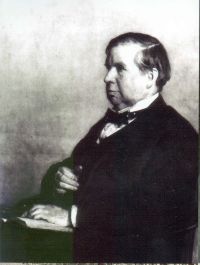
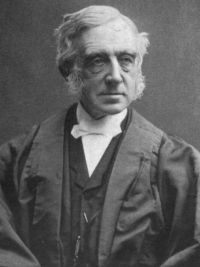
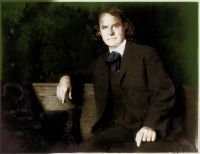
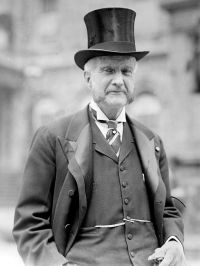
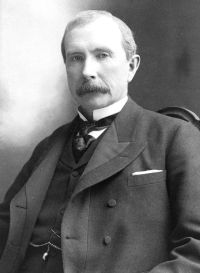
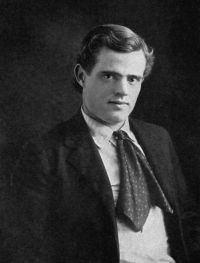
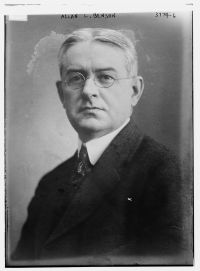
“ It would seem to be better and truer and more accurate in the tremendous crisis of our modern life to judge Mr. Rockefeller, not as monster of wickedness, but merely as an inefficient, morally underwitted man. There are things that he has not thought of that every one else has.We see that in all those qualities that really go to make a great business house in a great nation John D. Rockefeller stands as the most colossal failure as yet that our American business life has produced. ”
John D. Rockefeller
Definition and stakes
John D. Rockefeller (1839–1937), an American industrialist and philanthropist, rose to prominence as the founder of Standard Oil, a company that dominated the petroleum industry and sparked debates about monopolies. His wealth, accumulated through aggressive business tactics and technological advancements, inspired both admiration and controversy. Authors like Ida Tarbell criticized his methods as exploitative, while others, such as John J.
McLaurin, praised his business skills. Gerald Stanley Lee labeled him a "colossal failure" due to moral flaws, yet James P. Boyd emphasized his charitable efforts, which revolutionized education and healthcare. Rockefeller’s legacy blends unrelenting capitalism with profound generosity, leaving a lasting impact on American industry and philanthropy.
Quotes about “John D. Rockefeller”
John J. McLaurin, Sketches in Crude-oil
“ He is human, therefore he sometimes errs; he is fallible, therefore he makes mistakes, but the world is learning that John D. Rockefeller has no superior in business and that the Standard Oil-Company is not an organized conspiracy to plunder producers or consumers of petroleum. It is time to dismiss the idea that ability to build up and maintain a large business is discreditable, that marvellous success is blameworthy and that business-achievements imply dishonesty. ”
James P. Boyd, Triumphs and Wonders of the 19th Century…
“ John D. Rockefeller (b. 1839) is a splendid example of those many and noble American millionaires who have responded with astonishing liberality to the promptings of their philanthropic natures. The reconstruction of the Chicago University, the founding or endowment of other public institutions, and of numerous charitable benefactions, together embracing the expenditure of many millions, are magnificent monuments to Mr. Rockefeller’s share in promoting the progress of his country during the last quarter of the nineteenth century. ”