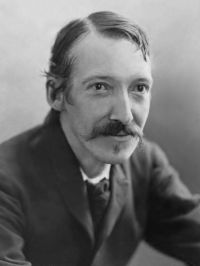
John Winthrop

Definition and stakes

James Truslow Adams,  The Founding of New England (1921)

“ John Winthrop, now in his forty-third year, who was living the life of a country squire at Groton, in Suffolk, and was a small office-holder under government, had been anxiously watching the course of affairs. Of a sensitive and deeply religious nature, strongly attached to the Puritan cause, he could not but regard the future with the greatest anxiety. “The Lord hath admonished, threatened, corrected and astonished us,” he wrote to his wife in May, 1629, “yet we growe worse and worse, so as his spirit will not allwayes strive with us, he must needs give waye to his fury at last. ”
Source: Wikisource

Reuben Post Halleck,  History of American Literature

“ John Winthrop was born in the County of Suffolk, England, in 1588, the year of the defeat of the Spanish Armada. He was a wealthy, well-educated Puritan, the owner of broad estates. As he paced the deck of the Arbella, the night before he sailed for Massachusetts, he knew that he was leaving comfort, home, friends, position, all for liberty of conscience. Few men have ever voluntarily abandoned more than Winthrop, or clung more tenaciously to their ideals. ”
Source: Gutenberg

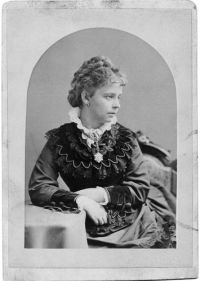
Portrait of Alice Morse Earle Alice Morse Earle,  Customs and Fashions in Old New England

“ We must not forget that the Winthrops had the best opportunity of any in the land to have good servants; for not only were help placed in their families, but the best of English servants were consigned to them; yet neither the Governor's sister, Madam Downing, nor his daughter, Madam Dudley, could be "suited." And hear the plaint of John Winthrop to his father in 1717:
"It is not convenient now to write the trouble and plague we have had with this Irish creature the year past.
”
Source: Gutenberg

Get perspective with Kwize: daily news enlightened by great literature