John of Bohemia

Definition and stakes

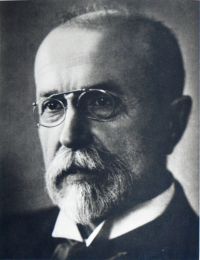
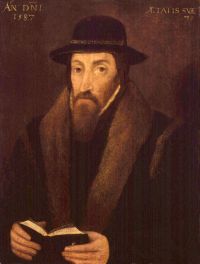
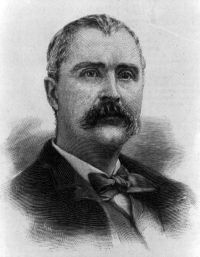
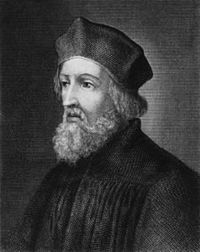
Portrait of Jan Hus Jan Hus The letters of John Hus (1904)

The Lord Almighty be the eternal reward of my nobles, who steadfastly, stoutly, and faithfully stand on the side of justice. God will grant them to understand aright the truth in the kingdom of Bohemia. But to pursue the truth they must return to Bohemia laying aside all vainglory to follow a King that cannot die, a Man of sorrows but yet a King of glory Who hath the gift of eternal life.
How delightful it was to shake hands with Lord John, who was not ashamed to hold out his hand to a poor abject heretic, a prisoner in irons and the butt of all men’s tongues.
Source: Wikisource

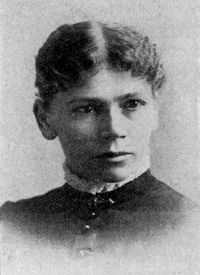
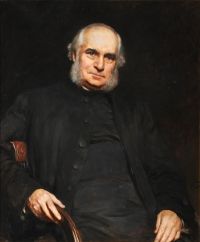
Portrait of Frances Gregor Frances Gregor The Story of Bohemia (1895)

The Bohemian lords did not object to this, since the chief of these was Peter, the Archbishop of Mayence, who had been greatly loved and honored by Václav II. Later, when the German lords began to grow too domineering, King John was held to the agreement, and ordered to dismiss them.
When the nobles had established King John and Queen Elizabeth upon the throne of Bohemia, they imagined that they had done their country a good service, and that his reign would be an era of peace and prosperity to all the people.
Source: Wikisource

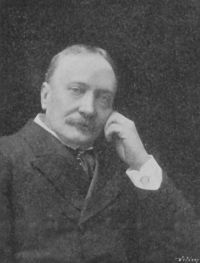
C. Edmund Maurice Bohemia, from the earliest times to the fall of national independence in 1620

Henry of Lipa once more appealed to Bohemian feeling against the German prelate; and, though many of the better men among the Bohemian nobility were now disposed to stand by their queen, they were not strong enough to hold their own against these intrigues. John was now earnestly entreated to return to Bohemia; but, when he hastened back, at the head of his Rhenish forces, his Bohemian advisers urged him to leave the Germans behind, and to throw himself on the support of his faithful nobles.
Source: Gutenberg

Get perspective with Kwize: daily news enlightened by great literature