Juliet Capulet

Definition and stakes

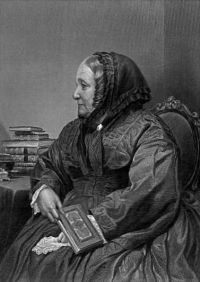
Portrait of William Shakespeare William Shakespeare,  Shakespeare's Tragedy of Romeo and Juliet

“ Then Lady Capulet comes sweeping by with her train of velvet, her black hood, her fan, and rosary—the very beau-ideal of a proud Italian matron of the fifteenth century, whose offer to poison Romeo, in revenge for the death of Tybalt, stamps her with one very characteristic trait of the age and the country. Yet she loves her daughter, and there is a touch of remorseful tenderness in her lamentations over her, which adds to our impression of the timid softness of Juliet and the harsh subjection in which she has been kept. ”
Source: Gutenberg

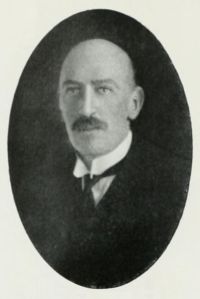
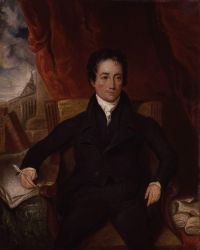
Portrait of Charles Lamb Charles Lamb,  Tales from Shakespeare

“ This was joyful news to the Lord Capulet and his wife. It seemed to put youth into the old man; and Juliet, who had displeased him exceedingly by her refusal of the count, was his darling again, now she promised to be obedient. All things in the house were in a bustle against the approaching nuptials. No cost was spared to prepare such festival rejoicings as Verona had never before witnessed.
On the Wednesday night Juliet drank off the potion. She had many misgivings lest the friar, to avoid the blame which might be imputed to him for marrying her to Romeo, had given her poison
”
Source: Gutenberg

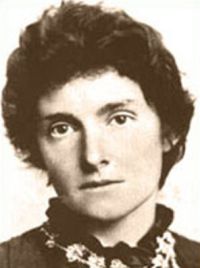
Portrait of E. Nesbit E. Nesbit,  Beautiful Stories from Shakespeare

“ Lord Capulet was very much pleased to get his own way, and set about inviting his friends and getting the wedding feast ready. Everyone stayed up all night, for there was a great deal to do, and very little time to do it in. Lord Capulet was anxious to get Juliet married because he saw she was very unhappy. Of course she was really fretting about her husband Romeo, but her father thought she was grieving for the death of her cousin Tybalt, and he thought marriage would give her something else to think about. ”
Source: Gutenberg

Get perspective with Kwize: daily news enlightened by great literature