Kidron Valley

Definition and stakes

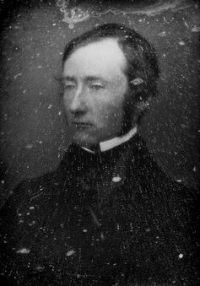
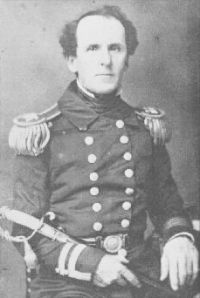
Portrait of Ermete Pierotti Ermete Pierotti,  Jerusalem Explored, Volume 1—Text

“ On the east, along the course of the valley of Kidron, nothing is seen but rocks and accumulations of earth and rubbish: these continue likewise along the south, but the desolate effect is somewhat concealed by the growth of vegetation, and by the gardens of the peasants of Siloam. The ruins still existing, and the nature of the soil, which is mostly grey in colour and full of lime, shew that the ground on this side was once occupied by houses. ”
Source: Gutenberg

Edward Hull,  Mount Seir, Sinai and Western Palestine (1885)

“ The road to the entrance of the Kedron Valley was in some places difficult in the extreme, and with less trustworthy horses than ours would have been even dangerous. Rising at one moment over steep banks of broken rock it would then descend along slippery slopes, or skirt the sides of a precipice where a false step would result in precipitating horse and rider to the bottom. The hills were often formed of alternating beds of chert and limestone folded and waved ”
Source: Wikisource

George St. Clair,  Buried Cities and Bible Countries

“ We see also the places where lamps rested to give light to the workers. But in the fat mould at the angle of the wall we do not find any stone chippings.
In the Kedron Valley there is an accumulation of nearly 100 feet of loose stone chippings and other debris, lying against the wall of the Sanctuary, covering all the western side of the valley, and resting at its eastern part upon the slope of Olivet. The true bed of the Kedron is 40 feet west of its present surface bed. On the west side of the true bed was found a masonry wall, 3 feet thick
”
Source: Gutenberg

Get perspective with Kwize: daily news enlightened by great literature