Siloam

Definition and stakes

George St. Clair,  Buried Cities and Bible Countries

“ Nearly in the centre of the line along which stretches the village of Siloam there exists a rocky plateau surrounded by Arab buildings, which mask its true form and extent: the western face, cut perpendicularly, slightly overhangs the valley. Steps rudely cut in the rock enable one to climb it, not without difficulty, and so to penetrate directly from the valley to the midst of the village. By this road, troublesome, and even dangerous, pass habitually the women of Siloam, who come to fill their vessels at the so-called Virgin’s Fountain. ”
Source: Gutenberg

John Kelman,  The Holy Land

“ The immense variety of its buildings, with their domes, flat terraces, minarets, and sloping roofs, distinguishes it at once from the rectangular masses of the villages. As if on purpose to emphasise the contrast, one of these villages has set itself right opposite the city across a narrow valley. Looking from the southern wall of the Haram enclosure, this village of Siloam is seen sprawling along the opposite hillside, a mere drift of square hovels seen across some fields of artichokes. Nothing could appear more miserable; inferiority is confessed in every line of it. ”
Source: Gutenberg

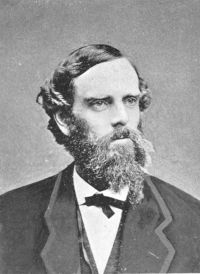
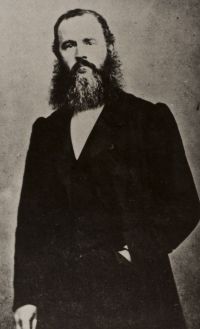
Portrait of Ermete Pierotti Ermete Pierotti,  Jerusalem Explored, Volume 1—Text

“ This water, corrupted though it was, was sold at such [Pg 187] a high price, that a crown would not buy enough to quench a single man's thirst. If, then, men were in such want as to drink this water, they would be very glad to get that of Siloam. Saladin compared this stream to the rivers of Paradise; but as it is the only naturally flowing stream to be seen in Jerusalem, and as it irrigates the luxuriant gardens of Siloam, and also in times of drought is valuable to the city for many purposes, we can understand the feeling that produced this Oriental exaggeration. ”
Source: Gutenberg

Get perspective with Kwize: daily news enlightened by great literature