King William IV

Definition and stakes

Charles Oman, Albert Pollard, Samuel Gardiner, Spencer Walpole and Hugh Chisholm,  1911 Encyclopædia Britannica (1911)

“ King William IV. ascended the throne at a critical moment in the history of the English constitution. Everywhere misery and discontent were apparent, manifesting themselves in riots against machinery, in rick-burning on a large scale, and in the formation of trades unions which William IV. tended to develop into organized armies of sedition. All the elements of violent revolution were present. Nor was there anything in the character of the new king greatly calculated to restore the damaged prestige of the crown ”
Source: Wikisource

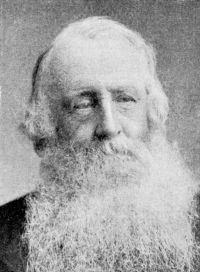
Portrait of Edward A. Freeman Edward A. Freeman,  William the Conqueror

“ In 1086 every landowner in England swore to be faithful to King William within and without England and to defend him against his enemies. The subject’s duty to the King was to any duty which the vassal might owe to any inferior lord. When the King was the embodiment of national unity and orderly government, this was the greatest of all steps in the direction of both. Never did William or any other man act more distinctly as an English statesman, never did any one act tell more directly towards the later making of England, than this memorable act of the Conqueror. ”
Source: Gutenberg

Peter Jones,  Life and Journals of Kah-ke-wa-quo-nā-by (1860)

“ King William IV. is a true friend of the people, and is in the hearts and affections of his people. My prayer is that God may bless our great Father the King, and make his reign to be prosperous! Long live the King!
Friday 9th. — In the morning Brother Hannah breakfasted with us. At 10, a. m., Mr. W. M. Bunting sent his gig to drive me to Leeds. Mrs. B. accompanied me to the above place, where we took dinner at an Inn.
”
Source: Wikisource

Get perspective with Kwize: daily news enlightened by great literature