Kingdom of Spain

Definition and stakes

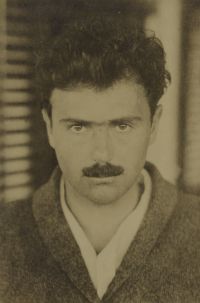
Portrait of Waldo David Frank Waldo David Frank Virgin Spain (1926)

Rome is compelled to relinquish to the Kings the right of nomination to high office. In all of this, the monarchs meet Spain’s intricate problem with the conventional measures—those which are unifying France and Britain.
In Spain, this is mere prelude. Spain’s chaos is more organic, and is unique in Europe. Isabel follows the logic of her weapons. What disrupts Spain is not banditry, not the insolence of nobles: but Spain’s free life of inimical ideas. All else is consequence, not cause. To the south is a whole kingdom of the Moors. Everywhere live Mussulmans and Jews.
Source: Gutenberg

Charles Rudy The Cathedrals of Northern Spain

Christian Spain, at the time of the death of the pious warrior-king San Fernando, was roughly divided into an eastern and a western half, into the kingdom of Castile (and Leon) and that of Aragon. The fusion of these two halves by the marriage of Ferdinand and Isabel, two hundred years later, marks the date of the birth of Spain as a nation.
It is true, nevertheless, that the people had little or no voice in the arrangement of matters. They were indifferent to what their crowned rulers were doing, and ignorant of the growing power, wealth, and learning of the prelates.
Source: Gutenberg

James Wood The Nuttall Encyclopædia — S

The outstanding fact in the history of Spain, after the downfall of the Roman Empire, of which she had long formed a part, is the national struggle with the Moors, who overran the peninsula in the 8th century, firmly established themselves, and were not finally overthrown till Granada, their last possession, was taken in 1492; sixteen years later the country became a united kingdom, and for a brief period, with its vast American colonies and wide European possessions, became in the 16th century the dominant power of Europe
Source: Wikisource

Get perspective with Kwize: daily news enlightened by great literature