Knight Commander of the Order of the Star of India

Definition and stakes

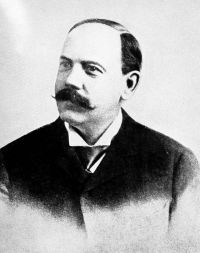
Portrait of Arthur Charles Fox-Davies Arthur Charles Fox-Davies A Complete Guide to Heraldry

Though I hold strongly that the circlet of the Star of India should be a ribbon tied as represented on the star of the order, I must admit I have never yet come across an official instance of it being so represented. This, however, is a point upon which there is no definite warrant of instruction, and is not the conclusion justifiable that on this matter the officers of arms have been led into a mistake in their general practice by an oversight and possible unfamiliarity with the actual star? A Knight Grand Commander is entitled to claim a grant of supporters on payment of the fees.
Source: Gutenberg

Roper Lethbridge The Golden Book of India (1893)

Under his descendants the estate was largely increased in area. The late Raja of Venkatagiri, Kummara Yachama Nayudu, was born in 1832; and was created a Companion of the Most Exalted Order of the Star of India. He was succeeded by the present Raja, who was appointed a Member of the Legislative Council of Madras in 1888, and again in 1890. In 1888 he was created a Knight Commander of the Most Eminent Order of the Indian Empire. His title of Panch-Hdzdr Mansabddr was of Mughal origin, indicating the military command of 5000. The title of Raja of Venkatagiri was recognised as hereditary in 1890.
Source: Wikisource

1911 Encyclopædia Britannica, Volume 13… (1911)

On the publication of the last part of his Flora of British India in 1897 he was created G.C.S.I., of which order he had been made a knight commander twenty years before; and twenty years later, on attaining the age of ninety, he was awarded the Order of Merit.
Source: Wikisource

Get perspective with Kwize: daily news enlightened by great literature