“ The Sea of Galilee, even so far as natural appearance goes, must be judged by itself.Journeying to it from Tabor, you ride across a rather characterless tract of country. A jackal, a stray Circassian horseman, a low black tent of the Bedawin, are the only signs of life. Suddenly the track, sweeping up over the farther side of a shallow and rudely cultivated valley, lands you on an unexpected edge, from which the ground falls sheer away before you into the basin of the lake. This is not scenery; it is tinted sculpture, it is jewel-work on a gigantic scale. ”
Lake Galilee
Definition and stakes
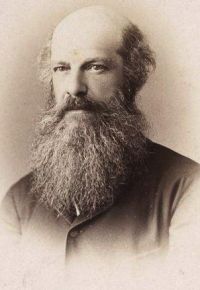
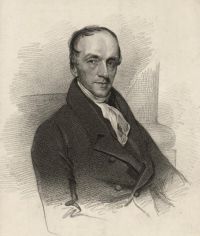
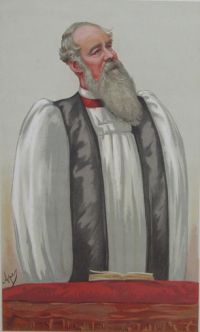
The theme of “Lake Galilee” has been addressed by authors such as Claude Reignier Conder and Robert Alexander Stewart Macalister, S. H. M. Byers, Henry David Thoreau, Henry Van Dyke and John Albert Broadus. It is often associated with terms like Jesus, Nazareth, sea, Capernaum and mount.
Quotes about “Lake Galilee”
Don Carlos Janes, A Trip Abroad
“ It is a small lake, thirteen miles long, lying six hundred and eighty-two feet below the level of the Mediterranean. The depth is given as varying from one hundred and thirty to one hundred and sixty-five feet. It is really "Blue Galilee," and the sight of it is an agreeable change to the eye after one has been traveling the dry, dusty roads leading through a country almost destitute of green vegetation. In the spring, when the grass is growing and the flowers are in bloom, the highlands rising around the sea must be very beautiful. ”
Charles Foster Kent, Biblical Geography and History
“ Here converged the great highways from Egypt, central Palestine, Gilead, and Arabia on the south, which in turn led to Phœnicia, northern Syria, Damascus, and Babylonia. Although it was a strongly Jewish town, its population was necessarily cosmopolitan. Many different occupations were here represented. The fish that were caught, especially in the northern part of the lake, were famous throughout Galilee. The basaltic, well-watered plains about the northern end of the Sea of Galilee bore rich crops of grain; while on the rocky but fertile hills shepherds pastured their flocks. ”




Related terms
Authors who wrote about “Lake Galilee”
Claude Reignier Conder and Robert Alexander Stewart Macalister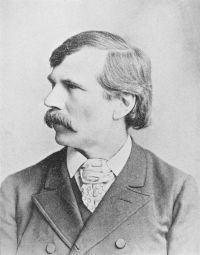 S. H. M. Byers
 Henry David Thoreau
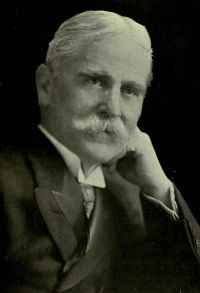 Henry Van Dyke
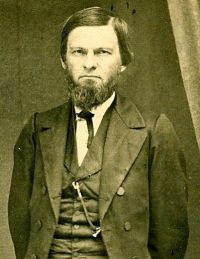 John Albert Broadus
 Ernest RenanSamuel Manning
 James Fenimore CooperHenry Latham
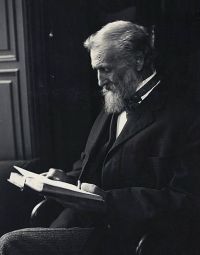 John Muir
 William Cullen Bryant
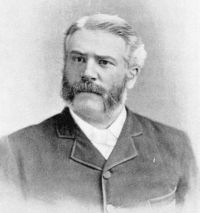 Jesse Lyman HurlbutPaul Wilhelm SchmiedelGeorge Ludington WeedBernard O'ReillyVariousCharles Foster KentJohn Kelman
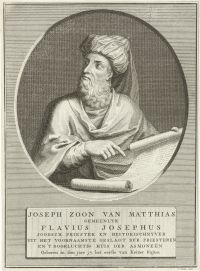 Flavius Josephus
 Edwin Abbott Abbott
S. H. M. ByersHenry David ThoreauHenry Van DykeJohn Albert BroadusErnest RenanSamuel ManningJames Fenimore CooperHenry LathamJohn MuirWilliam Cullen BryantJesse Lyman HurlbutPaul Wilhelm SchmiedelGeorge Ludington WeedBernard O'ReillyVariousCharles Foster KentJohn KelmanFlavius JosephusEdwin Abbott Abbott