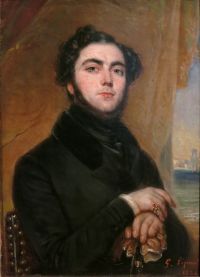
Louis-Marie de La Révellière-Lépeaux

Definition and stakes

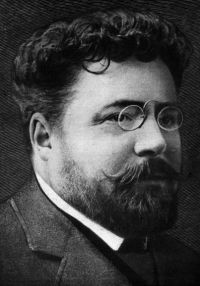
by Alexandre Dumas The Three Musketeers — Chapter 2… (1844)

Thanks to this double gift and the spotless name that accompanied it, M. de Treville was admitted into the household of the young prince where he made such good use of his sword, and was so faithful to his motto, that Louis XIII, one of the good blades of his kingdom, was accustomed to say that if he had a friend who was about to fight, he would advise him to choose as a second, himself first, and Treville next--or even, perhaps, before himself.
Source: Wikisource

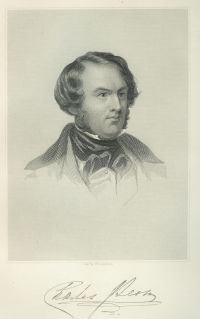
Portrait of John S. C. Abbott John S. C. Abbott The French Revolution of 1789, as Viewed in the Light of Republican Institutions

The Royalists were exceedingly exasperated by the condemnation of the king. A noble, Lepelletier St. Fargeau, who had espoused the popular cause, voted for the king's death. The Royalists were peculiarly excited against him, in consequence of his rank and fortune. On the evening of the 20th of January, as Louis was being informed of his sentence, a life-guardsman of the king tracked Lepelletier into a restaurateur's in the Palais Royal, and, just as he was sitting down to the table, stepped up to him and said,
"Art thou Lepelletier, the villain who voted for the death of the king?"
Source: Gutenberg

Get perspective with Kwize: daily news enlightened by great literature