Louise of Savoy

Definition and stakes

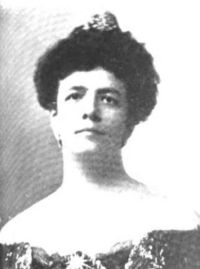
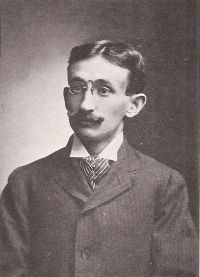
Portrait of Hugo P. Thieme Hugo P. Thieme Women of Modern France

The reign of Louise of Savoy was now about over; she had accomplished everything she had planned. She had caused Charles of Bourbon, one of the greatest men of the sixteenth century, to turn against his king; and that king owed to her—his mother—his defeat at Pavia, his captivity in Spain, and his moral fall. Spain, Italy, and France were victims of the infamous plotting and disastrous intrigues of this one woman whose death, in 1531, was a blessing to the country which she had dishonored.
Source: Gutenberg

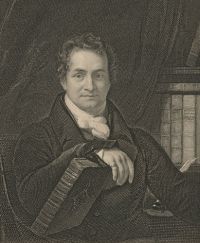
active 1840-1883 Sutherland Menzies Political Women, Vol. 2

Marie-Louise of Savoy, whom her Camerara-mayor met for the first time on board her galley in the harbour of Villefranche, at the moment when the tearful eyes of the young princess were casting a last glance at the lovely Italian land, was that admirable queen whose life in default of mental courage became worn out by the corroding of adversity, and whose popular name has remained as a symbol in Spain of every royal and domestic virtue.
Source: Gutenberg

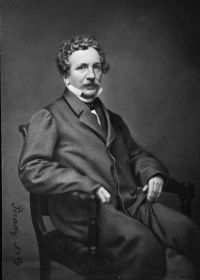
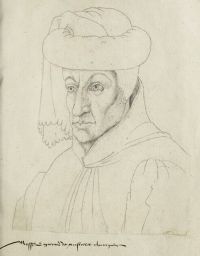
King of Navarre consort of Henry II Queen Marguerite The Tales of the Heptameron, Vol… (1894)

Louise of Savoy, daughter of Count Philip of Bresse, subsequently Duke of Savoy, was born at Le Pont d’Ain in 1477, and upon the death of her mother, Margaret de Bourbon, she married Charles d’Orléans, Count of Angoulême, to whom she brought the slender dowry of thirty-five thousand livres. (1) She was then but twelve years old, her husband being some twenty years her senior. He had been banished from the French Court for his participation in the insurrection of Brittany, and was living in straitened circumstances. Still, on either side the alliance was an honourable one.
Source: Gutenberg

Get perspective with Kwize: daily news enlightened by great literature