Maasai people

Definition and stakes

J. H. Patterson,  The Man-Eaters of Tsavo — Chapter 21

“ The Masai and Other Tribes A few Masai may still be seen on the Athi Plains, but as a rule they keep away from the railway, the majority of the tribe being now settled on the Laikipia Plateau. Formerly they were by far the most powerful native race in East Africa, and when on the war-path were the terror of the whole country from the furthest limits of Uganda to Mombasa itself. Their numbers have latterly become greatly reduced through famine and small-pox, but the remnant of the tribe, more especially the men, are still a fine, lithe, clean-limbed people. ”
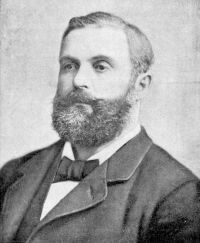
Source: Wikisource

J. H. Patterson,  The Man-Eaters of Tsavo, and Other East African Adventures

“ The Masai, indeed, never made slaves or took prisoners, and it was their proud boast that where a party of elmorani had passed, nothing of any kind was left alive. The object of these raids was, of course, to capture live stock, for the Masai are not an agricultural people and their wealth consists entirely in their herds of cattle, sheep and goats. Curiously enough they do not hunt game, although the country abounds with it, but live principally on beef and milk ”
Source: Gutenberg

Portrait of Thomas Wallace Knox Thomas Wallace Knox,  The Boy Travellers on the Congo

“ Thomson says they can in no sense be called negroes. In their cranial development, as in their language, they are widely different from the natives of Central and Southern Africa, and occupy a far higher position in the scale of humanity.
"The Masai people are divided into some ten or twelve tribes, and these tribes or clans have many smaller divisions. Some are more aristocratic than others, and there is hardly a time when two or more of them are not indulging in war.
”
Source: Gutenberg

Get perspective with Kwize: daily news enlightened by great literature