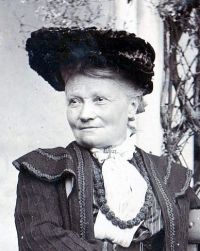
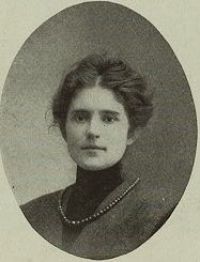
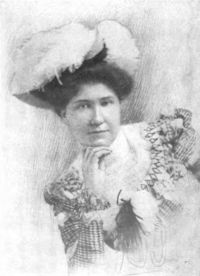
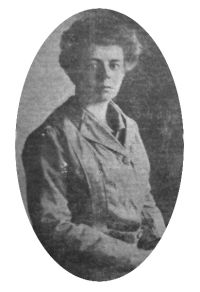
The literary concept of "Marjory" emerges as a recurring figure in 19th- and early 20th-century fiction, often embodying themes of personal development, ethical contemplation, and social adaptation. Authors such as Margaret Bruce Clarke, Flora Annie Webster Steel, and Emily Sarah Holt depict Marjory as a character who confronts love, selfhood, and societal pressures, from her nostalgic admiration for nature in Hunter’s Marjory to her thoughtful exploration of marital relationships in Earl Hubert’s Daughter.
These depictions emphasize Marjory’s function as a means through which writers examine human connections and moral dilemmas, portraying her as both a reflection of her surroundings and a source of narrative conflict. The theme ultimately underscores the interaction between personal autonomy and cultural standards across varied literary settings.