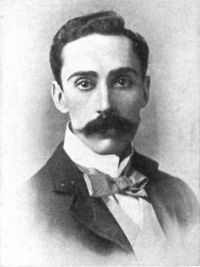
Martin Van Buren

Definition and stakes

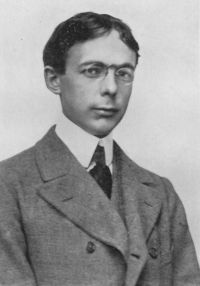
Portrait of Charles A. Beard Charles A. Beard History of the United States

Van Buren and the Panic of 1837.—Nothing could shake the General's superb confidence. At the end of his second term he insisted on selecting his own successor; at a national convention, chosen by party voters, but packed with his office holders and friends, he nominated Martin Van Buren of New York. Once more he proved his strength by carrying the country for the Democrats. With a fine flourish, he attended the inauguration of Van Buren and then retired, amid the applause and tears of his devotees, to the Hermitage, his home in Tennessee.
Source: Gutenberg

Portrait of Edward Morse Shepard Edward Morse Shepard Martin Van Buren

VAN BUREN'S CHARACTER AND PLACE IN HISTORY
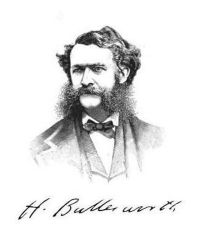
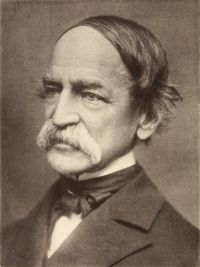
In the engraved portrait of Van Buren in old age, prefixed to his "History of Parties," are plainly to be seen some of his traits,—the alert outlooking upon men, the bright, easy good-humor, the firm, self-reliant judgment. Inman's painting, now in the City Hall of New York, [20] gives the face in the prime of life,—the same shrewd, kindly expression, but more positively touched with that half cynical doubt of men which almost inevitably belongs to those in great places.
Source: Gutenberg

Portrait of Edward Morse Shepard Edward Morse Shepard Martin Van Buren

At a meeting in Philadelphia it was resolved "that Martin Van Buren deserves and will receive the execrations of all good men, should he shrink from the responsibility of conveying to Andrew Jackson the message sent by the Honorable Henry Clay." The whole agitation was hollow enough. Jackson was not far wrong in saying in his letter to Hamilton of January 2, 1834: "There is no real general distress. It is only with those who live by borrowing, trade or loans, and the gamblers in stocks."
Source: Gutenberg

Get perspective with Kwize: daily news enlightened by great literature