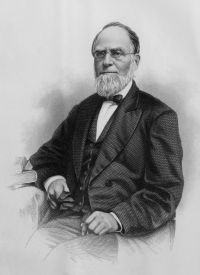
Maximilian I, Holy Roman Emperor

Definition and stakes

The New Student's Reference Work (1914)

“ Maximilian ended the feuds of his nobles, improved the courts, and divided the empire into six (afterward into ten) circles, each ruled by a governor. He also encouraged the Universities of Vienna and Ingoldstadt in learning and arts generally. He was well-educated, skilled in all bodily exercises, chivalrous and genial; so that he has been called the first knight of his age. Maximilian died emperor of the Holy Roman Empire, at Wels in Upper Austria, Jan. ”
Source: Wikisource

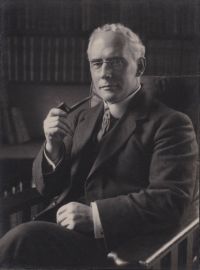
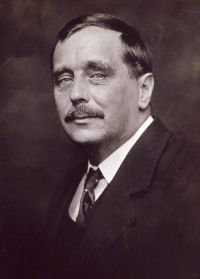
Portrait of H. G. Wells H. G. Wells,  A Short History of the World

“ The Holy Roman Empire came to a sort of climax in the reign of the Emperor Charles V. He was one of the most extraordinary monarchs that Europe has ever seen. For a time he had the air of being the greatest monarch since Charlemagne.
His greatness was not of his own making. It was largely the creation of his grandfather, the Emperor Maximilian I (1459- 1519) . Some families have fought, others have intrigued their way to world power; the Habsburgs married their way. Maximilian began his career with Austria, Styria, part of Alsace and other districts, the original Habsburg patrimony
”
Source: Gutenberg

1911 Encyclopædia Britannica, Volume 17… (1911)

“ MAXIMILIAN II. (1527–1576) , Roman emperor, was the eldest son of the emperor Ferdinand I. by his wife Anne, daughter of Ladislaus, king of Hungary and Bohemia, and was born in Vienna on the 31st of July 1527. Educated principally in Spain, he gained some experience of warfare during the campaign of Charles V. against France in 1544, and also during the war of the league of Schmalkalden, and soon began to take part in imperial business. ”
Source: Wikisource

Get perspective with Kwize: daily news enlightened by great literature