Mazar-i-Sharif

Definition and stakes

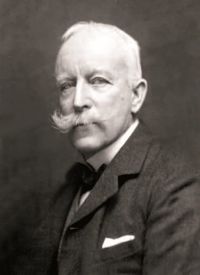
Portrait of Thomas Hungerford Holdich Thomas Hungerford Holdich,  1911 Encyclopædia Britannica (1910)

“ The mounds of ruins on the road to Mazar-i-Sharif probably represent the site of a city yet older than those on which stands the modern Balkh. The town is garrisoned by a few hundred kasidars, the regular troops of Afghan Turkestan being cantoned at Takhtapul, near Mazar-i-Sharif. The gardens to the north-east contain a caravanserai, which is fairly well kept and comfortable. ”
Source: Wikisource

1911 Encyclopædia Britannica, Volume 17… (1911)

“ In this neighbourhood is concentrated most of the Afghan army north of the Hindu Kush mountains, the fortified cantonment of Dehdadi having been completed by Sirdar Ghulam Ali Khan and incorporated with Mazar. Mazar-i-Sharif also contains a celebrated mosque, from which the town takes its name. It is a huge ornate building with minarets and a lofty cupola faced with shining blue tiles. ”
Source: Wikisource

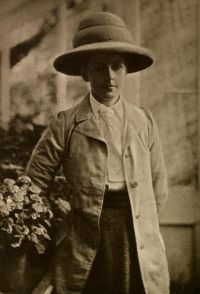
Portrait of Isabel Savory Isabel Savory,  In the Tail of the Peacock

“ There is one other way for the Englishman to see something of the less-known districts of Morocco, and that is to travel under the protection of a holy Sharīf. Sharīfs are, like the Sultan, descendants of Mohammed, and they possess the holy baraka—that is, the birthright of the Sharīfian line. They are little gods, and they have immunity from the laws of God and man. Their advice is sought for and followed by the ordinary country people on every question, and their decision is invariably accepted as final. There is no such thing as an aristocratic class or nobility in Morocco ”
Source: Gutenberg

Get perspective with Kwize: daily news enlightened by great literature