Memnon of Rhodes (c. 380–333 BCE) was a Rhodian general who served the Achaemenid Empire as a crucial military commander in opposition to Alexander the Great, particularly during the Siege of Halicarnassus. His strategies, such as scorched-earth tactics and naval operations, presented considerable obstacles to Alexander’s progress. Eduard Meyer emphasizes his allegiance to the Persian king and his tactical skill, while Robert H. Fuller portrays him as a respected but doubted figure in fictional works.
George Rawlinson highlights his indispensable role in bringing together Persian and Greek troops, and Voltaire reimagines him in a romantic light. Memnon’s death in 333 BCE, as recorded by historians, signified a critical shift, enabling Alexander to strengthen his control over Asia Minor. His influence persists in historical records and literary adaptations, illustrating his tactical acumen and the significant part he played in shaping the trajectory of Alexander’s campaign.
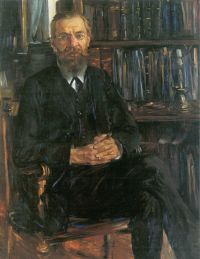 Eduard Meyer,
1911 Encyclopædia Britannica, Volume 18…
(1911)