Mr. Caryll

Definition and stakes

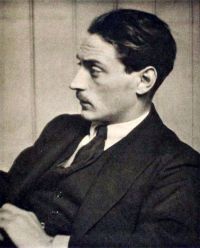
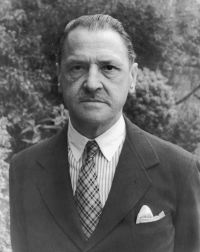
Portrait of Rafael Sabatini Rafael Sabatini,  The Lion's Skin

“ It was one of his cherished beliefs that the evil that men do has a trick of finding them out in this life, and here, he believed, as shrew-ridden husband and despised father, the Earl of Ostermore was being made to expiate that sin of his early years.
Another of Mr. Caryll's philosophies was that, when all is said, man is little of a free agent. His viciousness or sanctity is temperamental; and not the man, but his nature—which is not self-imbued—must bear the responsibility of a man's deeds, be they good or bad.
”
Source: Gutenberg

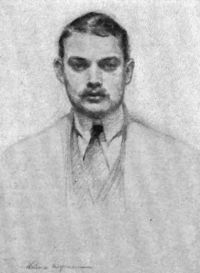
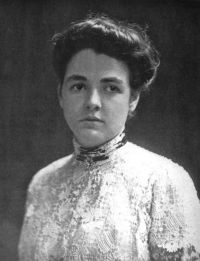
Helen C. Black,  Notable Women Authors of the Day…

“ She is attired in a most becoming and well-fitting gown of black velvet and grey fur, and her manner is frank and informal.
Carylls is a very old place; a part of it, indeed, was built in 1640, but so well have all the additions and improvements of later years been carried out that the two form a truly artistic whole. Originally belonging to the well-known Roman Catholic family of Caryll, it is mentioned in Pope's poems, several of which he wrote under the old oak trees, and it is considered quite one of the show-places of this part of Sussex. Mrs. Fraser says that it suits her in every way.
”
Source: Gutenberg

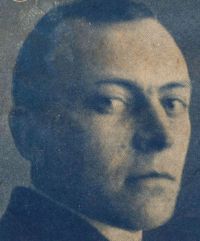
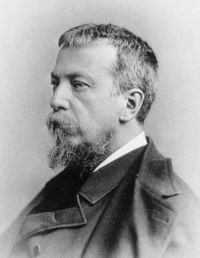
Portrait of Edward Maunde Thompson Edward Maunde Thompson,  Dictionary of National Biography… (1887)

“ CARYLL, JOHN (1666?–1736) , the friend of Pope, was the nephew and heir of Lord Caryll [q. v.] , being the son of Richard Caryll of West Grinstead, Lord Caryll's younger brother. He was born about 1666, and, after composition with Lord Cutts, the grantee of Lord Caryll's forfeited estate at West Harting, he succeeded in 1697 to that property, which he had managed since his uncle's retirement abroad, and in 1701, on his father's death, to another estate at West Grinstead. ”
Source: Wikisource

Get perspective with Kwize: daily news enlightened by great literature