Nabis of Sparta

Definition and stakes

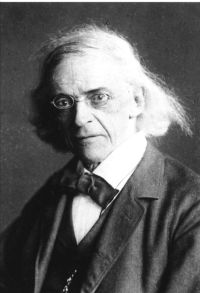
Portrait of Theodor Mommsen Theodor Mommsen The History of Rome, Book III

At last the obstinate resistance came to an end. Sparta retained its independence and was neither compelled to receive back the emigrants nor to join the Achaean league; even the existing monarchical constitution, and Nabis himself, were left intact. On the other hand Nabis had to cede his foreign possessions, Argos, Messene, the Cretan cities, and the whole coast besides; to bind himself neither to conclude foreign alliances, nor to wage war, nor to keep any other vessels than two open boats
Source: Gutenberg

active approximately 150-175 Pausanias Pausanias' description of Greece… (1886)

And when the power at Sparta of Nabis, a man of the most unrelenting cruelty, had been overthrown, the Lacedæmonians became their own masters again, and as time went on the Achæans got them into their League, and were very severe with them, and rased to the ground the fortifications of Sparta, which had been formerly run up hastily at the time of the invasion of Demetrius and afterwards of Pyrrhus and the Epirotes, but during the power of Nabis had been very strongly fortified.
Source: Gutenberg

1911 Encyclopædia Britannica, Volume 21… (1911)

Appointed to the chief command two years later, he introduced heavy armour and close formation for the infantry, and with a well-trained army beat Machanidas of Sparta, near Mantinea. The new “ liberator ” was now so famous that Philip V. of Macedon attempted to poison him. In 202–1 Philopoemen drove Nabis, the Spartan tyrant, from Messene and routed him off Tegea. After another long sojourn in Crete he again received the command against Nabis. Though unsuccessful at sea, he almost annihilated Nabis's land force near Gythium, but was prevented by the Roman Flamininus from taking Sparta.
Source: Wikisource

Get perspective with Kwize: daily news enlightened by great literature