Nantwich

Definition and stakes

Arthur Freeling,  The Grand Junction Railway Companion to Liverpool… (1837)

“ Nantwich is a market-town and parish in the hundred of the same name, county of Chester, situated on each side of the Weaver, in a valley which contains some of the richest dairyland in the kingdom; Pop., town and parish, 5,357, town, 4,886; An. As. Val. £6,484. Market on Saturday; Fairs. March 26, the 2nd Tuesday in June. September 4th, and December 4th, principally for cattle, sheep, pigs, and once a fortnight for horned cattle, from Candlemas to the fair in March. The principal occupation of the inhabitants is the manufacture of salt, shoes, and cotton; it has also a large trade in cheese. ”
Source: Wikisource

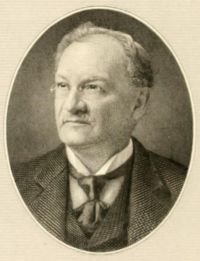
Portrait of Albert Frederick Calvert Albert Frederick Calvert,  Salt and the salt industry (1919)

“ According to Leland, there were 400 salt works at Nantwich in the reign of Henry VIII, but the number was reduced to 216 under Elizabeth, and in 1624 only 108 were in existence. Nantwich was described in the London Magazine of 1750 as the largest and most considerable town in the county next to Chester, but its salt industry at that period was fast declining. An Act of Parliament which had been obtained in 1734 to extend the navigation of the river Weaver from Winsford to Nantwich, was never put into operation. ”
Source: Gutenberg

Arthur Freeling,  The Grand Junction Railway Companion to Liverpool… (1837)

“ The living is a rectory, in the archdeaconry and diocese of Chester; K.B. £27 3s. 4d.; An. Val. P.R. £100. It is endowed with £1200 by private benefaction, the crown, and a parliamentary grant; patron. Lord Crew. The town has many charitable institutions. The widow of the immortal Milton resided here several years before her death, and here died in 1726. Nantwich is the only town in the county which, in the Civil Wars, uniformly adhered to the Parliamentary party. ”
Source: Wikisource

Get perspective with Kwize: daily news enlightened by great literature