Nathan the Wise

Definition and stakes

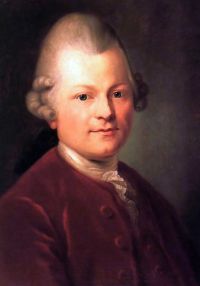
Portrait of Gotthold Ephraim Lessing Gotthold Ephraim Lessing,  Nathan the Wise; a dramatic poem in five acts

“ By God, ’tis something beautifully wise
To be so circumspect.
SALADIN.
Come, come, forgive
Something to age. His lingerings cannot last.
He is not going to require of thee
First to turn Jew.
TEMPLAR.
Who knows?
SALADIN.
Who? I, who know
This Nathan better.
TEMPLAR.
Yet the superstition
In which we have grown up, not therefore loses
When we detect it, all its influence on us.
Not all are free that can bemock their fetters.
SALADIN.
Maturely said—but Nathan, surely Nathan—
TEMPLAR.
The worst of superstitions is to think
One’s own most bearable.
”

Source: Gutenberg

Portrait of Gotthold Ephraim Lessing Gotthold Ephraim Lessing,  Nathan the Wise; a dramatic poem in five acts

“ Thou hast it.
NATHAN.
I know it well.
HAFI.
Nathan, ’tis woeful doing
When kings are vultures amid caresses:
But when they’re caresses amid the vultures
’Tis ten times worse.
NATHAN.
No, dervis, no, no, no.
HAFI.
Thou mayst well talk so. Now then, let me hear
What wouldst thou give me to resign my office?
NATHAN.
What does it bring you in?
HAFI.
To me, not much;
But thee, it might indeed enrich: for when,
As often happens, money is at ebb,
Thou couldst unlock thy sluices, make advances,
And take in form of interest all thou wilt.
”
Source: Gutenberg

Portrait of Gotthold Ephraim Lessing Gotthold Ephraim Lessing,  Nathan the Wise; a dramatic poem in five acts

“ And have I found in thee one more, to whom
It is enough to be a man?
TEMPLAR.
That hast thou.
Nathan, by God, thou hast. Thy hand. I blush
To have mistaken thee a single instant.
NATHAN.
And I am proud of it. Only common souls
We seldom err in.
TEMPLAR.
And uncommon ones
Seldom forget. Yes, Nathan, yes we must,
We will be friends.
NATHAN.
We are so. And my Recha—
She will rejoice. How sweet the wider prospect
That dawns upon me! Do but know her—once.
TEMPLAR.
I am impatient for it. Who is that
Bursts from your house, methinks it is your Daya.
”
Source: Gutenberg

Get perspective with Kwize: daily news enlightened by great literature