Nihon Shoki

Definition and stakes

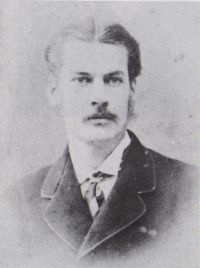
Portrait of Ernest Mason Satow Ernest Mason Satow,  The American Cyclopædia (1879)

“ Utsunomiya Yuteki's Nihon Kokin Jimbutsushi (7 vols., 1668) , containing notices of generals, famous families, faithful retainers, traitors, virtuous and intrepid samurai, Chinese scholars, physicians, women, and artists; the Fuso Initsuden (3 vols., 1664) , in Chinese, by the priest Gensho (1623–'68) , consisting of notices of 75 persons noted for strange and solitary habits; such as Yen no Shokaku, who lived in a cave for 30 years, and made spirits do his bidding ”
Source: Wikisource

Portrait of Ernest Mason Satow Ernest Mason Satow,  The American Cyclopædia (1879)

“ It is a pity that so much acuteness and erudition as Motoöri possessed should have been thrown away in defending views of which the logical effect would be to enslave the whole Japanese nation. His Jindai Shogo is the mythological part of the Kojiki, with additions from the Nihongi, in a mixture of Chinese characters and kana, with kana at the side, for the use of the young. The Rekicho Shoshi-kai is a collection of the speeches and proclamations of the early mikados, with a commentary, which from his point of view are part of the sources of Shinto. ”
Source: Wikisource

Nihongi: Chronicles of Japan from the Earliest Times to A.D. 697…

“ Their disposition cannot be ascertained. Why should we remain for a long time in one place? By so doing we could not have control over emergencies." So he removed his camp to another place.
11th month, 7th day. The Imperial army proceeded in great force to attack the Hiko [79] of Shiki. First of all the Emperor sent a messenger to summon Shiki the Elder, but he refused to obey. Again the Yata-garasu was sent to bring him. When the crow reached his camp it cried to him, saying:—"The child of the Heavenly Deity sends for thee. Haste! haste!"
”
Source: Wikisource

Get perspective with Kwize: daily news enlightened by great literature