Satsuma

Definition and stakes

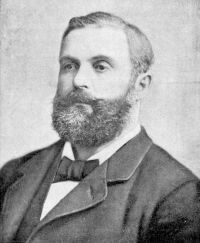
Portrait of Eliza Ruhamah Scidmore Eliza Ruhamah Scidmore,  Jinrikisha Days in Japan (1891)

“ The fine modern Satsuma, all small pieces decorated in microscopically fine work, is painted chiefly by a few artists in Kioto and Osaka, and their work and signatures are easily recognized. The commoner Satsuma—large urns, koros, vases, and plates—is made in the province of Satsuma and in the Awata district of Kioto, but it is decorated anywhere—Kobé, Kioto, Yokohama, and Tokio all coating it with the blaze of cheap gilding that catches and delights the foreign eye. ”
Source: Gutenberg

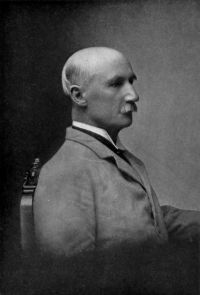
J. Morris,  Makers of Japan (1906)

“ As is elsewhere explained, the Satsuma men realised that modern Western appliances gave great power to those who wielded them as weapons of warfare, and with the conviction uppermost that they had made as good a fight as could have been expected with rather antiquated guns, they forthwith prepared to be good friends with their late antagonists, and to learn all they could with the object of making the Satsuma clan a tower of strength in view of the Restoration of Imperial rule. ”
Source: Gutenberg

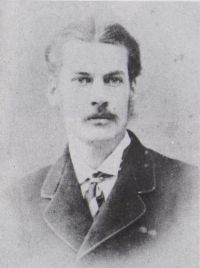
Kencho Suematsu,  A Fantasy of Far Japan; Or, Summer Dream Dialogues

“ Such being the variety of grandeur of the lords, large retainers of great lords often exceeded in grandeur the smaller lords.'
—'You said Satsuma was an exception. Will you explain how it was?'
—'Well, Prince Shimazu was the lord of Satsuma. The greater parts of the provinces Hiuga and Osumi were also included in his dominion. His family had been great lords in that part of the country for some seven hundred years. When the famous Hideyoshi invaded Kiusiu, and reached Satsuma, the prince, namely, the lord of Satsuma, surrendered to that great hero after several battles.
”
Source: Gutenberg

Get perspective with Kwize: daily news enlightened by great literature