Norseman

Definition and stakes

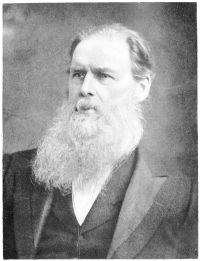
Portrait of Rasmus Björn Anderson Rasmus Björn Anderson Norse mythology; or, The religion of our forefathers…

Beholding in external nature and in his mythology the struggle of conflicting forces, he naturally looked on life as a field for warfare. The ice-bound fjords and desolate fells, the mournful wail of the waving pine-branches, the stern strife of frost and fire, the annual death of the short-lived summer, made the Norseman sombre, if not gloomy, in his thoughts, and inured him to the rugged independence of the country.
Source: Gutenberg

Portrait of Rasmus Björn Anderson Rasmus Björn Anderson Norse mythology; or, The religion of our forefathers…

Thus the Greek mythology is frivolous, the Norse is profound. The frivolous mind lives but to enjoy the passing moment; the profound mind reflects, considers the past and the future. The Greek abandoned himself wholly to the pleasures of this life, regardless of the past or future. The Norseman accepted life as a good gift, but he knew that he was merely its transient possessor. Over every moment of life hangs a threatening sword, which may in the next moment prove fatal. Life possesses no hour of the future.
Source: Gutenberg

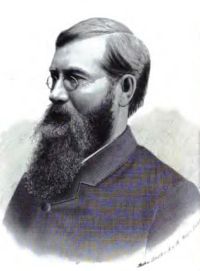
George Webbe Dasent Popular Tales from the Norse — Introduction… (1912)

Such were the gods, and such the heroes of the Norseman; who, like his own gods, went smiling to death under the weight of an inevitable destiny. But that fate never fell on their gods. Before this subjective mythological dream of the Norsemen could be fulfilled, the religious mist in which they walked was scattered by the sunbeams of Christianity. A new state and condition of society arose, and the creed which had satisfied a race of heathen warriors, who externally were at war with all the world, became in time an object of horror and aversion to the converted Christian.
Source: Wikisource

Get perspective with Kwize: daily news enlightened by great literature