North Downs

Definition and stakes

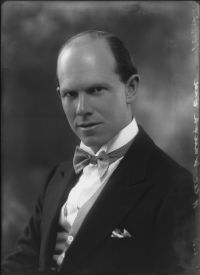
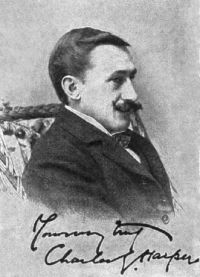
Portrait of Charles G. Harper Charles G. Harper,  The Hastings Road and the "Happy Springs of Tunbridge"

“ Down by Dunton Green, looking backwards, the hills, those noble North Downs, are seen to go terracing away beautifully east and west, their great, green, rounded shoulders dimpled with folds and gullies, shaggy here and there with belts of trees, or scarred outrageously with great gashes of chalk-pits, where the lime-burners every day demolish yet another fragment of picturesque scenery and roast it in limekilns, to the end that it may go towards the making of mortar and mean streets. ”
Source: Gutenberg

1911 Encyclopædia Britannica, Volume 8… (1911)

“ The western termination of the North Downs is the Hog’s Back, a narrow ridge, little more than a quarter of a mile broad at the summit, sloping sharply north and south, and reaching 489 ft. in height. At the west end a depression occurs where the rivers Wey and Blackwater closely approach each other ”
Source: Wikisource

Various,  Encyclopaedia Britannica, 11th Edition…

“ The cut edges of the escarpment forming the Hog’s Back and North Downs on the north, and the South Downs on the south, meet the sea in the fine promontories of the South Foreland and Beachy Head. The Downs are almost without population, waterless and grass-covered, with patches of beech wood. Their only important towns are on the coast, e.g. Brighton, Eastbourne, Dover, Chatham, or in the gaps where rivers from the centre pierce the Chalk ring, as at Guildford, Rochester, Canterbury, Lewes and Arundel. ”
Source: Gutenberg

Get perspective with Kwize: daily news enlightened by great literature