The Northwest Territory, established in 1787 by the Northwest Ordinance, was the United States’ first organized post-colonial territory, covering areas that later became Ohio, Indiana, Illinois, Michigan, Wisconsin, and parts of Minnesota. This expansive region, influenced by conflicts with Native American nations and the slow shift from territorial rule to statehood, became a crucible for American expansion.
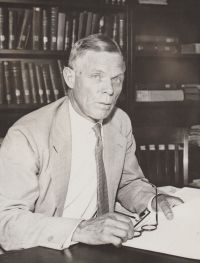
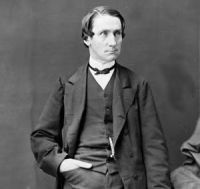
Historians such as Frederic Austin Ogg emphasized its distinctive legal structure, while Joel Cook focused on its agricultural development and westward movement. Charles Morris highlighted the ongoing struggles between settlers and Indigenous peoples, illustrating the territory’s multifaceted legacy. These viewpoints together demonstrate how the Northwest Territory set the stage for federal administration, territorial incorporation, and the changing nature of nation-building in early America.
 Ronald Reagan,
Proclamation 5676
Ronald Reagan,
Proclamation 5676