Ottokar I of Bohemia

Definition and stakes

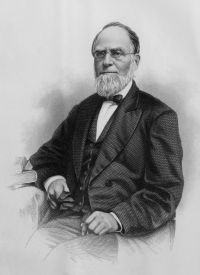
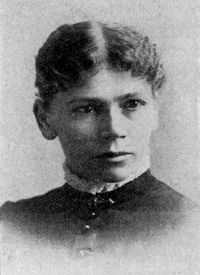
Portrait of Frances Gregor Frances Gregor The Story of Bohemia (1895)

In this way Ottokar gained much wealth, but also the deadly enmity of these lords; and, in time, their vengeance. Besides depriving his nobles of the unlawfully-gained estates, Ottokar humbled them by curtailing many of the rights and privileges granted them by his father. Indeed, the reign of Václav was the golden age of the Bohemian nobility; they had become rich and strong, and consequently very unruly. As an offset to this power, Ottokar established another privileged class; these were corporate cities, the inhabitants of which, enjoying many privileges, were very loyal to their king.
Source: Wikisource

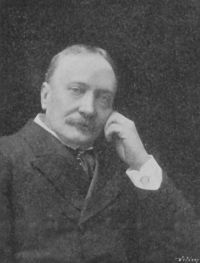
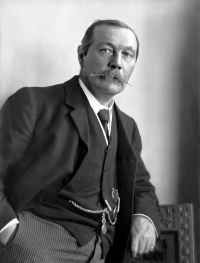
B. Granville Baker From a Terrace in Prague

The Bohemian nobility thought fit to add to the gaiety of nations by starting an insurrection against Wenceslaus, a movement led, according to time-honoured custom, by the King's son Ottokar, who had been entrusted with the government of Moravia. This Ottokar eventually ascended the throne of Bohemia as second King of that name, and became one of the most notable rulers of his time and race.
Source: Gutenberg

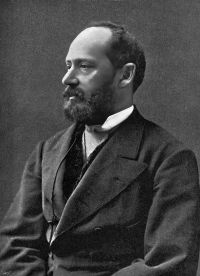
Portrait of František Lützow František Lützow Bohemia: An Historical Sketch (1920)

Ottokar, who appears at first to have expected to be attacked in Bohemia, now hurried to the aid of Vienna, which town bravely resisted the invaders, and seems almost alone to have remained faithful to the Bohemian king. Unfortunately, while the king was in Austria an insurrection against him broke out among the Bohemian nobility. This last blow induced Ottokar to seek for peace and not to risk a battle, the result of which was absolutely certain—seeing that his army, in consequence of numerous defections, consisted of only 20,000 men, while that of his enemies numbered five times that amount.
Source: Wikisource

Get perspective with Kwize: daily news enlightened by great literature