Patriarchate of Constantinople

Definition and stakes

William Holden Hutton Constantinople: The Story of the Old Capital of the Empire

The encouragement of learning in the present century, the high character of the patriarchs, the times of danger through which they have passed, have left the Church the true centre of the national life which still remains. Nor has the widespread influence of the patriarchate failed to preserve some relics of the power of the ancient Empire. During the seventeenth century, while the Morea was in the hands of the Venetians, the Patriarch of Constantinople still nominated the bishops, revenues still reached him from the monasteries
Source: Gutenberg

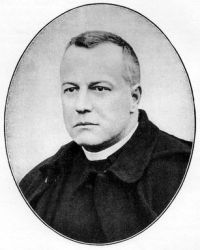
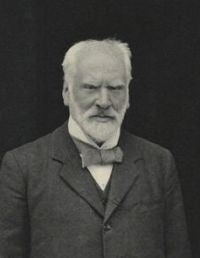
Portrait of Adrian Henry Timothy Knottesford Fortescue Adrian Henry Timothy Knottesford Fortescue The Orthodox Eastern Church (1907)

Illyricum covered Athens and Corinth, so the Patriarchs of Constantinople, who had become the chiefs of Greek-speaking Christians, greatly desired these lands. The Emperors were always ready to add to their jurisdiction; the more people looked to Constantinople in all affairs for guidance, the closer their interests were knit to the capital, the better, of course, for the central government. At the sixth general council (Constantinople III or Trullanum I in 680) and at the Quinisextum (Trullanum II in 692) the lllyrian bishops are still counted among those of the Roman Patriarchate.
Source: Wikisource

Various The Catholic World, Vol. 03, April to September…

If Constantinople should fall into the hands of any of the great powers of Western Christendom, of course the Cara-Casan, or system of mixed ecclesiastical and civil despotism, will be overturned, the patriarch will become a mere primate among the other metropolitans of the nation, and the patriarchate be reduced to a simply honorary dignity like that of the Western patriarchs of Venice and Lisbon.
Source: Gutenberg

Get perspective with Kwize: daily news enlightened by great literature