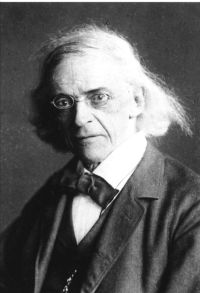
Thessalonica, a prominent city in ancient Macedonia, holds a multifaceted legacy encompassing religious, cultural, and historical aspects. As a key center of early Christianity, it is celebrated in texts like George Barlow’s homiletic commentary for its "Christian purity and fervor," though later accounts, such as Mommsen’s, lament its decline amid Roman deterioration. Historians like T. F.
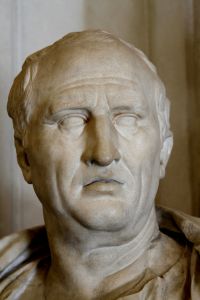
Tout examine its political trajectory, while theologians like Philip Schaff emphasize its role as a center of religious activity. Classical writers, including Cicero, note its strategic importance, and scholars like J. H. Kurtz highlight its intellectual dynamism. These varied viewpoints collectively reveal Thessalonica as a city whose historical layers—from Roman administration to medieval upheaval—continue to echo in theological and historical discussions.