Peripatetic school

Definition and stakes

John D. Quackenbos,  Illustrated history of ancient literature… (1889)

“ The Academic School long survived its founder; but little if any advance was made by his successors. Its fundamental tenets outlived Greece and Rome, to reappear in the schools [Pg 247] of modern times. Many of them are in wonderful harmony with Christian doctrines; and such a resemblance to the Jewish Scriptures has been detected in the writings of their author that he has been called “the Attic Moses.”
Peripatetic School.—Aristotle.—The Peripatetic was an offshoot from the Academic School, its founder Aristotle having for twenty years studied under Plato. Its influence cannot be estimated
”
Source: Gutenberg

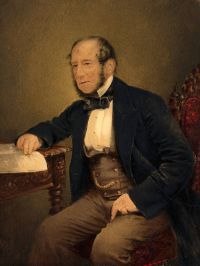
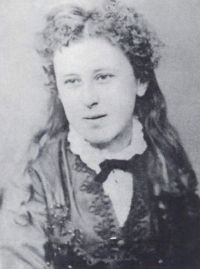
Portrait of Alexander Grant Alexander Grant,  Aristotle (1898)

“ It was perhaps a feeling of contempt for the Peripatetic school which induced Theophrastus, a generation after the death of Aristotle, to give away their whole library, including the great works of their master, to a foreign student. But for their apathy those great works would never have been left in unique copies, and ultimately exposed to such extreme peril. There must, however, have been a corresponding apathy in the external public, else curiosity would have demanded, and the love of science would have preserved, the results of Aristotle’s later years. ”
Source: Wikisource

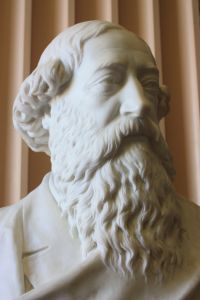
Portrait of George Grote George Grote,  Aristotle

“ I see no ground for calling in question the fact affirmed by Strabo — the poverty of the Peripatetic school-library at Athens; though he may perhaps have assigned a greater importance to that fact than it deserves, as a means of explaining the intellectual working of the Peripatetic Scholarchs from Lykon to Kritolaus. The philosophical impulse of that intervening century seems to have turned chiefly towards ethics and the Summum Bonum, with the conflicting theories of Platonists, Peripatetics, Stoics, and Epikureans thereupon. ”
Source: Gutenberg

Get perspective with Kwize: daily news enlightened by great literature