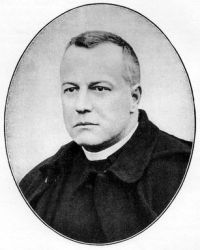
Photius I of Constantinople

Definition and stakes

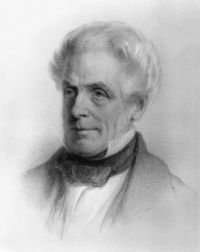
Portrait of Adrian Henry Timothy Knottesford Fortescue Adrian Henry Timothy Knottesford Fortescue The Orthodox Eastern Church (1907)

Peace was at once restored between Rome and Constantinople. In 869 the eighth general council is held, confirming Ignatius, again excommunicating Photius. Then, in 877, Ignatius dies and is succeeded by Photius, who is now recognized by the Pope (John VIII) . Another council meets in 879, again attended by Roman Legates. But this council, entirely led by Photius, who now hated Rome as his own personal enemy, on the strength of the Filioque and the Bulgarian affair, again causes open schism, which lasts till, in 886, a new Emperor (Leo VI) again banishes Photius. He dies in exile in 891.
Source: Wikisource

Portrait of Adrian Henry Timothy Knottesford Fortescue Adrian Henry Timothy Knottesford Fortescue The Orthodox Eastern Church (1907)

It is true that Photius was very far from being the ideal man for such a place. On the other hand, the See of Constantinople now really was vacant, and the Byzantine bishops had the right of choosing whom they liked. The Pope was very anxious to get the Emperor's help against the Saracens, and it has always been the policy of the Roman See to concede whatever can be conceded without sin for the sake of peace.
Source: Wikisource

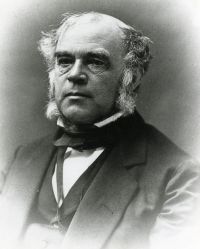
Portrait of Isaac Taylor Isaac Taylor History of the transmission of ancient books to modern times (1859)

Photius, the learned and ambitious patriarch of Constantinople, belongs to the ninth century. This writer has preserved the only portions that remain of the Persian and Indian history of Ctesias, who, as we shall see, gives a nearly contemporaneous testimony to Herodotus. The Myriobiblon of Photius consists of notices and abridgments of two hundred and eighty works which he had read, and it affords therefore much information available in determining questions of literary antiquity. Many works were extant in the ninth century—at Constantinople especially, which disappeared in the following age
Source: Gutenberg

Get perspective with Kwize: daily news enlightened by great literature