The Praetorian Guard, an elite military unit and personal bodyguard of the Roman emperor, originated during the Republic as escorts for generals and later became a key force in imperial politics. Initially serving as protectors for Roman generals, they were formalized by Augustus as his personal security detail, evolving into a powerful institution that shaped imperial succession and governance.
Historians such as Edward Gibbon emphasized their reorganization under Augustus, while Cyrus Townsend Brady portrayed their bravery and struggles in battles like Waterloo, underscoring their lasting symbolic role as both defenders and political figures. Their disbandment by Constantine in 312 signified the close of an era, encapsulating their dual legacy as defenders of power and contributors to imperial instability.
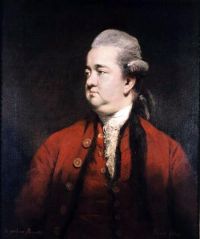 Edward Gibbon,
The History of the Decline and Fall of the Roman Empire
(1897)