Prince Arthur

Definition and stakes

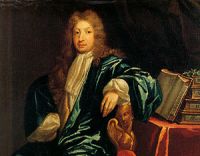
Edward Parrott,  The Pageant of British History

“ The tide of war sets in their favour, though they are beaten back from time to time before the despairing onset of the Britons.
Now you see amidst the press the noble form of that gallant British prince who is the very soul of the island defence. Arthur, the peerless knight, steps before us, “every inch a king.” He shines like a star in the gloom. Legend, song, and story have so woven themselves about his name and fame, so many fables have been told about him, so many wondrous deeds and miracles have been ascribed to him, that historians dispute his very existence.
”
Source: Gutenberg

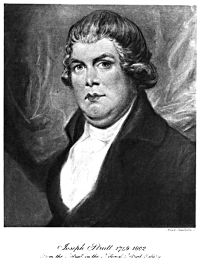
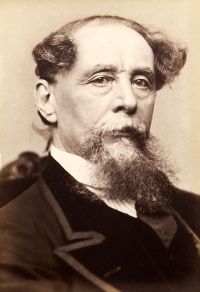
Portrait of Charles Dickens Charles Dickens,  A Child's History of England — Chapter 14 (1900)

“ The boy Prince besieging his grandmother, and his uncle besieging him!
This position of affairs did not last long. One summer night King John, by treachery, got his men into the town, surprised Prince Arthur's force, took two hundred of his Knights, and seized the Prince himself in his bed. The Knights were put in heavy irons, and driven away in open carts drawn by bullocks, to various dungeons, where they were most inhumanly treated, and where some of them were starved to death. Prince Arthur was sent to the castle of Falaise.
”
Source: Wikisource

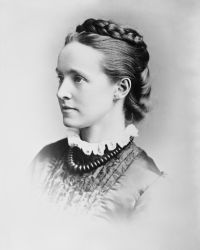
Portrait of Millicent Garrett Fawcett Millicent Garrett Fawcett,  Life of Her Majesty Queen Victoria (1895)

“ The birth of Prince Arthur, in 1850, has been already mentioned. He was a magnificent child, and the Queen took all a mother's pride in his beauty and his rapid growth. When Lady Canning was in waiting she tells us of many private visits by the Queen to her in her room to talk about politics and to show the beauty of the latest new baby; and of Prince Arthur in particular she wrote on September 1st, 1850: "The children ... are grown very nice and pretty. ”
Source: Wikisource

Get perspective with Kwize: daily news enlightened by great literature