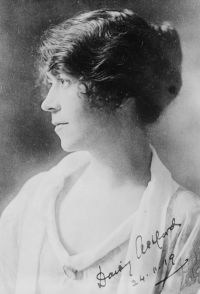
Prince de Condé

Definition and stakes

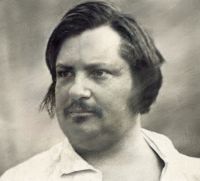
Portrait of Alexandre Dumas Alexandre Dumas,  The Vicomte de Bragelonne (1847)

“ It is known that in the Prince de Conde, the aquiline nose rose out sharply and incisively from a brow slightly retreating, rather low than high, and according to the railers of the court,--a pitiless race without mercy even for genius,--constituted rather an eagle's beak than a human nose, in the heir of the illustrious princes of the house of Conde. This penetrating look, this imperious expression of the whole countenance, generally disturbed those to whom the prince spoke, more than either majesty or regular beauty could have done in the conqueror of Rocroi. ”
Source: Gutenberg

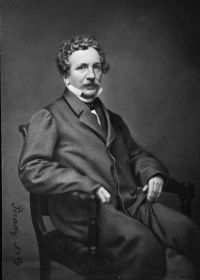
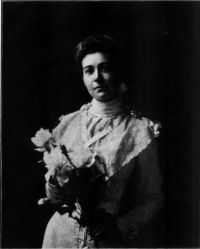
Portrait of Mary Imlay Taylor Mary Imlay Taylor,  The cardinal's musketeer (1900)

“ The Prince de Condé, coming into the shop one day, saw him, noticed his strength and beauty, and offered to receive him into his household to be trained to the profession of arms. This opportunity was joyfully embraced by Jacques des Horloges, who had long been in despair of placing the child as he desired. Père Antoine had trained him well in reading, and he was a fair scribe, but he had had no one to teach him to wield a weapon or ride a horse, and the clockmaker desired to see him a soldier rather than a priest. ”
Source: Gutenberg

H. Noel Williams,  The love-affairs of the Condés (1912)

“ Morose and bigoted, self-seeking and avaricious, the third Prince de Condé is far from an attractive personality. Nevertheless, his death was a sensible loss both to his family and to France. Selfish and turbulent though his conduct had been during the regency of Marie de’ Medici, when once he had decided that his own interests would be better served by loyalty than by opposition to the Crown, he certainly spared no effort to deserve the important offices and immense pensions which were the reward of his fidelity ”
Source: Gutenberg

Get perspective with Kwize: daily news enlightened by great literature