Reformed Christianity

Definition and stakes

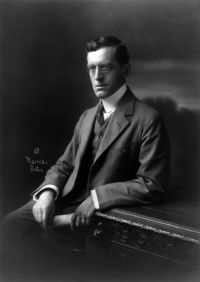
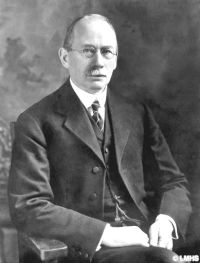
Portrait of Rufus M. Jones Rufus M. Jones,  Spiritual Reformers in the 16th & 17th Centuries

“ Sometime in his religious development—it is impossible to settle precisely when or where—he read the writings of the spiritual Reformers, and received from them formative influences which turned him powerfully to the cultivation of inward religion for his own soul and to the expression and interpretation of a universal Christianity—a Christianity of the inward Word and of an invisible Church. ”
Source: Gutenberg

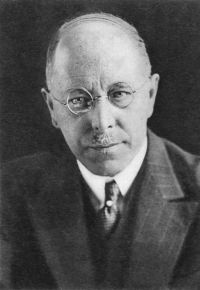
Portrait of Rufus M. Jones Rufus M. Jones,  Spiritual Reformers in the 16th & 17th Centuries

“ Here, then, in the third decade of the sixteenth century, when the leaders of the Reformation were using all their powers of dialectic to formulate in new scholastic phrase the sound creed for Protestant Christendom, and while the fierce and decisive battle was being waged over the new form in which the Eucharist must be celebrated, there appeared a little group of men who proposed that Christianity should be conceived and practised as a way of living—nothing more nor less. ”
Source: Gutenberg

Portrait of Rufus M. Jones Rufus M. Jones,  Spiritual Reformers in the 16th & 17th Centuries

“ Here again, as in the early years of the thirteenth century, there came a gentle Reformer of religion, who would use no compulsion but love, who knew how to suffer patiently with his Lord, and whose entire programme was the restoration of primitive Christianity, though of necessity it would be restored, if at all, in terms of the spiritual ideals of the sixteenth century, as the Christianity of St. ”
Source: Gutenberg

Get perspective with Kwize: daily news enlightened by great literature