
“ It was on the 29th October that I went into Kent for the second and last time. That was the occasion when my other sixpenny porter failed me by putting me in the wrong carriage of my train, whereby I found myself at Rochester when C. was waiting for me at Maidstone. When I reached her house (to hear that she was still abroad searching for me) or, rather, when we met at last at the compensating tea-table, and I had leisure of mind to appreciate my surroundings, I thought Kent even lovelier than in the month of hop and apple harvest. ”
Rochester, Kent
Definition and stakes
Rochester, Kent, an ancient city spanning the River Medway, has long fascinated writers with its historical depth and scenic beauty. From Ada Cambridge’s nostalgic reflection on its pastoral charm to A.G. Bradley’s Dickensian portrayal of its cathedral and industrial contrasts, the town emerges as a multifaceted symbol.
Natalie Sumner Lincoln uses it both geographically and metaphorically, while historical records emphasize its medieval bishopric importance. These diverse viewpoints come together to depict Rochester as a hub of heritage, literature, and natural allure, its legacy enduring through both location and literature.
Quotes about “Rochester, Kent”
Various, Once a Week (1861)
“ The Mid Kent Railway, traversing, first, the undulating woody district around Bromley and Beckenham, and afterwards the fair meadows and rich hop-grounds which diversify the smiling valleys of the Cray and the Darent, lands us finally at Strood, within sight of the ancient towers of Rochester. That old city, rising boldly from the right bank of the broad and navigable Medway, at once impresses the beholder by the strength and dignity of its position, as well as by the lofty and venerable towers which surmount its other buildings. ”
 Natalie Sumner Lincoln,
The Red Seal
Natalie Sumner Lincoln,
The Red Seal
“ Kent paused in indecision. What reply could he make without further involving Rochester in trouble? He had not the faintest idea where Rochester was, but to state that he was missing could not but add to the belief that he had made away with all the money he could lay his hands on. The noon edition of the Times had hinted at Rochester's disappearance but had stated they could not get the statement confirmed from Police Headquarters; obviously Harding and Taylor had not seen the newspaper. ”



Related terms
Authors who wrote about “Rochester, Kent”
J. W. HorsleyArthur Hussey Charlotte BrontëWilliam R. HughesG. H. PalmerMary A. Ward
 John Mitchell KembleFrederick FollettJohn OldhamVictor MacClureCount Anthony Hamilton
 G. P. R. James
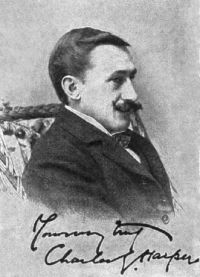 Charles G. HarperEdward HungerfordJohn KentVariousNatalie Sumner Lincoln
 Leslie StephenDuke of Saxe-Weimar-Eisenach BernhardHenry James
Charlotte BrontëWilliam R. HughesG. H. PalmerMary A. WardJohn Mitchell KembleFrederick FollettJohn OldhamVictor MacClureCount Anthony HamiltonG. P. R. JamesCharles G. HarperEdward HungerfordJohn KentVariousNatalie Sumner LincolnLeslie StephenDuke of Saxe-Weimar-Eisenach BernhardHenry James