Rufinus of Aquileia

Definition and stakes

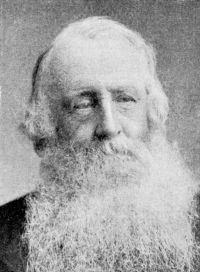
Portrait of Philip Schaff Philip Schaff Nicene and Post-Nicene Fathers… (1885)

Rufinus, [1] presbyter of the church at Aquileia, was not the least among the doctors of the church and had a fine talent for elegant translation from Greek into Latin. In this way he opened to the Latin speaking church the greater part of the Greek literature; translating the works of Basil of Cæsarea in Cappadocia, Gregory Nazianzan, that most eloquent man, the Recognitions of Clement of Rome, the Church history of Eusebius of Cæsarea in Palestine, the Sentences of Xystus, [2] the Sentences of Evagrius and the work of Pamphilus Martyr Against the mathematicians.
Source: Wikisource

1911 Encyclopædia Britannica (1911)

RUFINUS, TYRANNIUS, presbyter and theologian, was born at or near Aquileia at the head of the Adriatic, probably between 340 an 345. In early manhood he entered the cloister as a catechumen, receiving baptism about 370. About the same time a visit of Jerome to Aquileia led to a close friendship between the two, and shortly after Jerome's departure for the East Runnus also was drawn thither (in 372 or 373) by his interest in its theology and monasticism.
Source: Wikisource

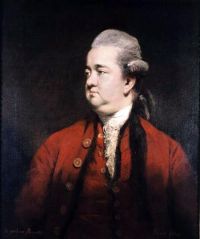
Portrait of Edward Gibbon Edward Gibbon The History of the Decline and Fall of the Roman Empire

The learned Rufinus, who was summoned by his enemies to appear before a Roman synod, 28 wisely preferred the dangers of a besieged city; and the Barbarians, who furiously shook the walls of Aquileia, might save him from the cruel sentence of another heretic, who, at the request of the same bishops, was severely whipped, and condemned to perpetual exile on a desert island. 29 The old man, 30 who had passed his simple and innocent life in the neighborhood of Verona, was a stranger to the quarrels both of kings and of bishops
Source: Gutenberg

Get perspective with Kwize: daily news enlightened by great literature