Saint Elizabeth

Definition and stakes

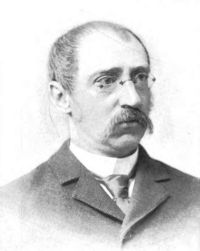
Portrait of Frances Hodgson Burnett Frances Hodgson Burnett,  Little Saint Elizabeth and Other Stories

“ To little Elizabeth this legend had been beautiful and quite real—it proved that if one were doing good, the saints would take care of one. Since she had been in her new home, she had, half consciously, compared her Uncle Bertrand with the wicked Landgrave, though she was too gentle and just to think he was really cruel, as Saint Elizabeth's husband had been, only he did not care for the poor, and loved only the world—and surely that was wicked. She had been taught that to care for the world at all was a fatal sin. ”
Source: Gutenberg

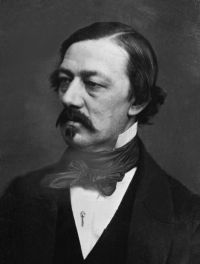
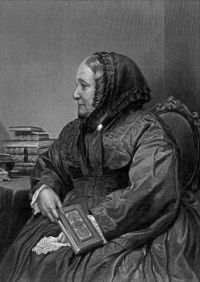
Portrait of John Greenleaf Whittier John Greenleaf Whittier,  The Two Elizabeths

“ In manhood's reverence, woman's prayers and tears,
She lives again whose grave is centuries old.
And still, despite the weakness or the blame
Of blind submission to the blind, she hath
A tender place in hearts of every name,
And more than Rome owns Saint Elizabeth!
A. D. 1780.
Slow ages passed: and lo! another came,
An English matron, in whose simple faith
Nor priestly rule nor ritual had claim,
A plain, uncanonized Elizabeth.
No sackcloth robe, nor ashen-sprinkled hair,
Nor wasting fast, nor scourge, nor vigil long,
Marred her calm presence.
”
Source: Wikisource

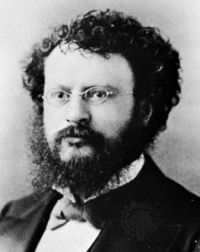
Portrait of Frances Hodgson Burnett Frances Hodgson Burnett,  Little Saint Elizabeth and Other Stories

“ At first Elizabeth used to scream at the sight of the black, nun-like dress and the rigid, handsome face, but in course of time she became accustomed to them, and, through living in an atmosphere so silent and without brightness, a few months changed her from a laughing, romping baby into a pale, quiet child, who rarely made any childish noise at all. ”
Source: Gutenberg

Get perspective with Kwize: daily news enlightened by great literature