Sakai people

Definition and stakes

Katsuro Hara,  An Introduction to the History of Japan

“ The civilisation of the city of Sakai represented that of the whole empire in the later Ashikaga age, manifested in its most glaring colours. The essential character of the civilisation was not aristocratic, but bourgeois. The lower strata of the people still had nothing to do with it. It is true that we can recognise already at this period the beginning of the proletariat movement. The frequent disturbances raised by apaches in the streets of Kyoto and the insurrections of agricultural [Pg 246] workers in the provinces, remind us of the Peasants' War in the time of the Reformation in Europe. ”
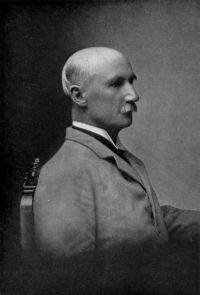
Source: Gutenberg

Giovanni Battista Cerruti,  My Friends the Savages

“ In spite of the corruption which has infected them from their companionship or relationship with corrupted people the Sakai of the plain still preserves some of his original goodness and uprightness. Only too well it may be said that once he has rid himself of these moral encumbrances which leave him defenceless in the hands of the unscrupulous he will have taken a new step towards civilization but there will be two virtues the less in his spiritual patrimony. ”
Source: Gutenberg

Giovanni Battista Cerruti,  My Friends the Savages

“ And yet, beyond being on neighbourly and friendly terms, they have nothing to do with each other, for one Sakai tribe does not like mixing with another and will not recognize any tone of authority, or receive any word of advice unless proceeding from a close relation, and even then it must be given in the form of fatherly counsel or affectionate exhortation otherwise the person to whom it is addressed would probably leave his own people, not to have further annoyance from them, and go to live among his wife's kinsfolk. ”
Source: Gutenberg

Get perspective with Kwize: daily news enlightened by great literature