Sebastiano

Definition and stakes

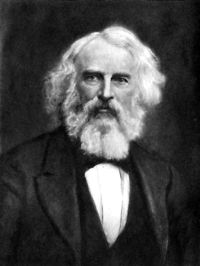
Portrait of Henry Wadsworth Longfellow Henry Wadsworth Longfellow,  Michael Angelo — Fra Sebastiano del Piombo (1883)

“ Sharp is the vinegar of sweet wine, and sharp
The words you speak, because the heart within you
Is sweet unto the core.
MICHAEL ANGELO.
How changed you are
From the Sebastiano I once knew,
When poor, laborious, emulous to excel,
You strove in rivalry with Badassare
And Raphael Sanzio.
FRA SEBASTIANO.
Raphael is dead;
He is but dust and ashes in his grave,
While I am living and enjoying life,
And so am victor. One live Pope is worth
A dozen dead ones.
MICHAEL ANGELO.
Raphael is not dead;
He doth but sleep; for how can he be dead
Who lives immortal in the hearts of men?
”
Source: Wikisource

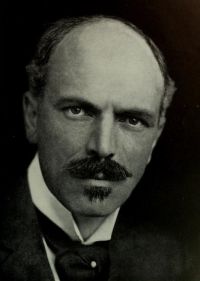
Portrait of Rafael Sabatini Rafael Sabatini,  The Strolling Saint; being the confessions of the high and mighty Agostino D'Anguissola…

“ But now it was Giovannozza who took up the story, firmly and resolutely; and being a woman she easily kept her tongue going and overbore the peasants so that they had no further share in the tale until it was entirely told. From her I learnt that the anchorite, one Fra Sebastiano, possessed a miraculous image of the blessed martyr St. Sebastian, whose wounds miraculously bled during Passion Week, and that there were no ills in the world that this blood would not cure, provided that those to whom it was applied were clean of mortal sin and imbued with the spirit of grace and faith. ”
Source: Gutenberg

Giorgio Vasari,  Lives of the most Eminent Painters Sculptors and Architects…

“ The first profession of Sebastiano, so many declare, was not painting, but music, since, besides being a singer, he much delighted to play various kinds of instruments, and particularly the lute, because on that instrument all the parts can be played, without any accompaniment. This art made him for a time very dear to the gentlemen of Venice, with whom, as a man of talent, he always associated on intimate terms. Then, having been seized while still young with a desire to give his attention to painting, he learned the first rudiments from Giovanni Bellini, at that time an old man. ”
Source: Gutenberg

Get perspective with Kwize: daily news enlightened by great literature