Senecio

Definition and stakes

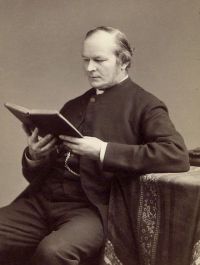
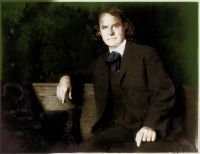
Portrait of Abraham Cowley Abraham Cowley,  Cowley's Essays

“ Senecio was a man of a turbid and confused wit, who could not endure to speak any but mighty words and sentences, till this humour grew at last into so notorious a habit, or rather disease, as became the sport of the whole town: he would have no servants but huge massy fellows, no plate or household stuff but thrice as big as the fashion; you may believe me, for I speak it without raillery, his extravagancy came at last into such a madness that he would not put on a pair of shoes each of which was not big enough for both his feet ”
Source: Gutenberg

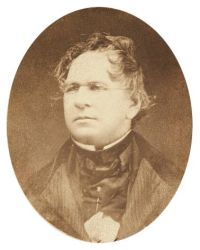
Portrait of Abraham Cowley Abraham Cowley,  Essays (1886)

“ Behold the fruit!
For this Senecio I have no compassion, because he was taken, as we say, in ipso facto, still labouring in the work of avarice; but the poor rich man in St. Luke (whose case was not like this) I could pity, methinks, if the Scripture would permit me, for he seems to have been satisfied at last; he confesses he had enough for many years; he bids his soul take its ease; and yet for all that, God says to him, "Thou fool, this night thy soul shall be required of thee, and the things thou hast laid up, whom shall they belong to?"
”
Source: Wikisource

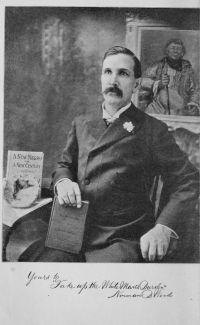
Robert Bridges,  Poetical Works of Robert Bridges…

“ Where is Senecio?—I have yet an hour.
SCENE · 2
A street in Rome.
Enter SCEVINUS, followed by NATALIS and LATERANUS.
SCEVINUS.
No more, sirs: let me go. This sword shall do it.
I am sworn. 216
LATERANUS.
Stay, stay, sir! stay! be more discreet.
Sce. I know there’s not a man among you all
Durst risk his life but I. I have made my will:
I have set my house in order. Cæsar dies,
Dies by this hand to-day.
NATALIS.
For heaven’s sake, stay, sir!
”
Source: Gutenberg

Get perspective with Kwize: daily news enlightened by great literature