Sigurd the Dragon Slayer

Definition and stakes

Lucy Winifred Faraday,  The Edda: II. The Heroic Mythology of the North (1902)

“ The rest of the poem is concerned with the battle with Hunding's race, and Sigurd's meeting with Odin by the way.
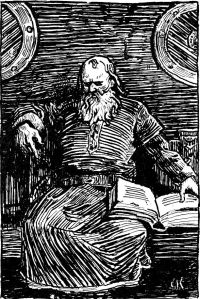
The fight with Fafni is not described in verse, very little of this poetry being in narrative form; but _Fafnismal_ gives a dialogue between the wounded dragon and his slayer. Fafni warns the Volsung against the hoard: "The ringing gold and the glowing treasure, the rings shall be thy death." Sigurd disregards the warning with the maxim "Every man must die some time," and asks questions of the dragon in the manner of _Vafthrudnismal_.
”
Source: Wikisource

Lucy Winifred Faraday,  The Edda: II. The Heroic Mythology of the North (1902)

“ I have no father like the sons of men." Sigmund, dying, left the fragments of the sword to be given to his unborn son, and Sigurd's fosterfather Regin forged them anew for the future dragon-slayer. But Sigurd's first deed was to avenge on Hunding's race the death of his father and his mother's father. _Völsunga_ tells this story first of Helgi and Sinfjötli, then of Sigurd, to whom the poems also attribute the deed. ”
Source: Wikisource

The Red Fairy Book

“ Then Sigurd went down into that deep place, and dug many pits in it, and in one of the pits he lay hidden with his sword drawn. There he waited, and presently the earth began to shake with the weight of the Dragon as he crawled to the water. ”
Source: Gutenberg

Get perspective with Kwize: daily news enlightened by great literature