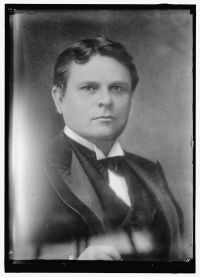
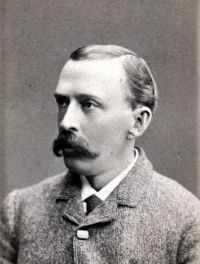
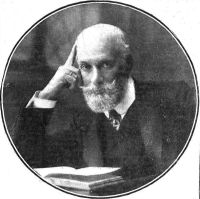
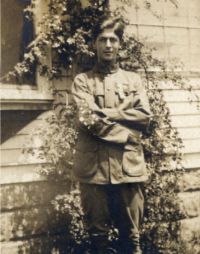
The Spanish flu, a catastrophic pandemic of 1918–1919, claimed millions of lives worldwide, leaving deep social and medical legacies. Authors such as Oscar Jewell Harvey recorded its swift spread and the strain it placed on healthcare systems, while Warren T. Vaughan compared its progression to earlier epidemics, emphasizing shifting medical perspectives.
Richard Davey associated it with economic instability, and Friedrich Prinzing situated it within the context of wartime hardship. Leo Crane highlighted its effects on vulnerable groups, emphasizing its role as both a health crisis and a trigger for societal reconsideration. These diverse viewpoints illustrate the pandemic’s complex impact on public health, historical development, and human endurance.
 Barack Obama,
Avian Flu Preparedness