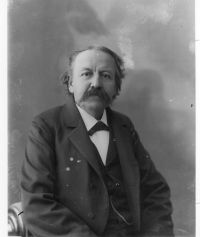
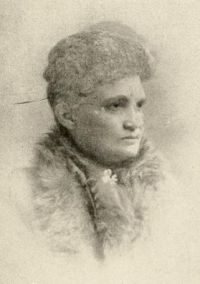
The literary concept of "Springer" encompasses a wide range of characters and stories, reflecting both individuality and thematic depth. Authors such as Norman Springer, W. G. Miller, and Harry Castlemon examine the term from different perspectives: from the introspective complexity of Springer’s own fiction, where characters confront moral uncertainty and emotional challenges, to biographical accounts emphasizing his physical and intellectual impact.
In other works, the name emerges in settings of conflict or familial responsibility, as seen in Rebecca Ruter Springer’s depiction of family roles. These variations together demonstrate how "Springer" operates as both a personal identity and a narrative tool, influenced by the author’s purpose and cultural context.