Thomas of Woodstock, Duke of Gloucester

Definition and stakes

1911 Encyclopedia Britannica (1911)

About 1385 the earl joined the baronial party led by the king’s uncle, Thomas of Woodstock, duke of Gloucester, and in 1386 was a member of the commission appointed to regulate the kingdom and the royal household. Then came Richard’s rash but futile attempt to arrest Arundel, which was the signal for the outbreak of hostilities. The Gloucester faction quickly gained the upper hand, and the earl was one, and perhaps the most bitter, of the lords appellant.
Source: Wikisource

Frederick Ross Bygone London

After the dispersion of the mob with ample promises of a redress of their grievances, the king knighted Walworth, and gave him a fee farm worth £100 per annum, as he did also Aldermen Brember, Philpot, Laund, Standish, Twiford, and Traver, granting to each a fee farm of £40 per annum. Thomas of Woodstock, the king's youngest uncle, created Duke of Gloucester, 1385, was the most vehement opponent of his nephew's policy, and the favourites Vere, Pole, [242] and Brember, perceiving him to be the greatest obstacle to their assumption of the supreme direction of affairs conspired to remove him.
Source: Gutenberg

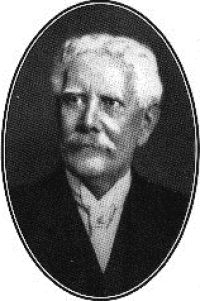
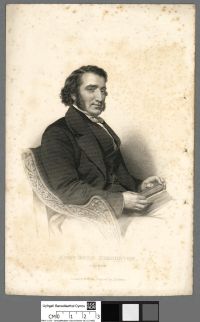
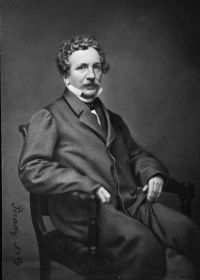
Portrait of Leslie Stephen Leslie Stephen Dictionary of National Biography… (1898)

THOMAS of Woodstock, Earl of Buckingham and Duke of Gloucester (1355–1397) , seventh and youngest son of Edward III and Philippa of Hainault, was born at Woodstock on 7 Jan. 1354–5 (Walsingham, i. 280) . Edward provided for his youngest son by affiancing him in 1374 to a rich heiress, Eleanor, the elder of the two daughters of the last Bohun, earl of Hereford, Essex, and Northampton.
Source: Wikisource

Get perspective with Kwize: daily news enlightened by great literature