Tuatha Dé Danann

Definition and stakes

Portal:The Folk-Lore Society,  Folk-Lore (1897)

“ There are several well-defined cycles of heroic saga in Irish tradition, and their personages are assigned to periods centuries apart. Yet the Tuatha de Danann figure equally in the various cycles—chiefs and champions die and pass away, not they. Undying, unfading, masters and mistresses of inexhaustible delight, supreme in craft and counsel, they appear again and again as opponents and protectors of mortal heroes, as wooers of mortal maidens, as lady-loves of valiant champions. ”
Source: Wikisource

J. A. MacCulloch,  The Religion of the Ancient Celts

“ The meaning formerly given to Tuatha Dé Danann was "the men of science who were gods," danann being here connected with dán, "knowledge." But the true meaning is "the tribes or folk of the goddess Danu,"199 which agrees with the cognates Tuatha or Fir Dea, "tribes or men of the goddess." The name was given to the group, though Danu had only three sons, Brian, Iuchar, and Iucharbar. ”
Source: Gutenberg

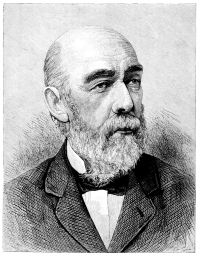
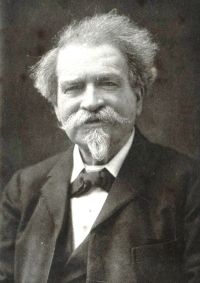
Portrait of John Rhŷs John Rhŷs,  Lectures on the Origin and Growth of Religion As Illustrated by Celtic Heathendom (1888)

“ For the Tuatha Dé Danann contain among them light and dark divinities, and those standing sometimes in the relation of parents and offspring to one another. Some members of the Irish pantheon are cruel and repellent characters, but on occasion they may prove friendly. Thus, though the Tuatha Dé Danann under the Dagda are accused of blighting the corn and spoiling the milk of the Milesians, the latter were said to conciliate them so as to make them spare both farmer and shepherd. ”
Source: Wikisource

Get perspective with Kwize: daily news enlightened by great literature