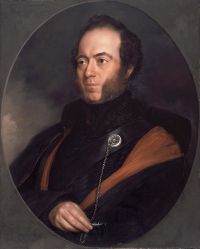
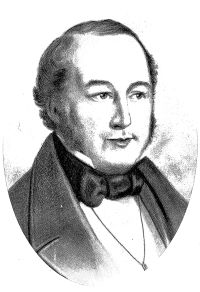
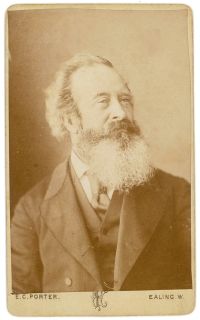
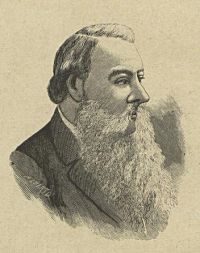
Van Diemen's Land, the 19th-century British colonial name for the island now known as Tasmania, was renowned for its penal colonies and extreme isolation. This theme explores its history as a site of forced transportation, its toponymic origins honoring Dutch explorer Abel Tasman, and its eventual renaming in 1856 to distance itself from its convict past. Authors like William De Morgan highlighted the psychological detachment of convicts from the outside world, while George Bass noted early interactions with indigenous inhabitants.
T.L. Mitchell described the Tasmanian Aboriginal people as "ferocious," contrasting them with mainland Australians, and W.C. Wentworth emphasized the colony’s geographical and agricultural promise. These varied perspectives—ranging from penal severity to colonial aspirations—reflect the complex legacy of Van Diemen’s Land, encapsulated in its transformation from a symbol of punishment to a self-governing colony rebranded as Tasmania.
 William De Morgan,
When Ghost Meets Ghost