Vicente de Cortés

Definition and stakes

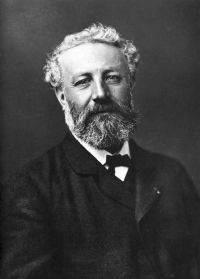
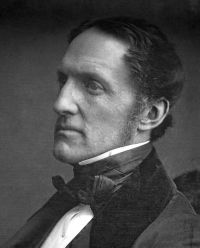
Portrait of William Hickling Prescott William Hickling Prescott The Conquest of Mexico (1922)

Cortés was so much changed by disease, that his person was not easily recognised. But no sooner was it known that the general had returned, than crowds of people, white men and natives, thronged from all the neighbouring country to welcome him. The tidings spread far and wide on the wings of the wind, and his progress to the capital was a triumphal procession. The inhabitants came from the distance of eighty leagues to have a sight of him; and they congratulated one another on the presence of the only man who could rescue the country from its state of anarchy.
Source: Wikisource

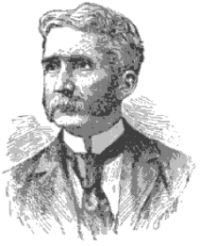
Portrait of Hubert Howe Bancroft Hubert Howe Bancroft History of Mexico, Volume 1, 1516-1521 (1883)

All being over, Cortés reëntered the apartments of Montezuma with his captains, and kneeling down he himself took off the fetters, declaring that he felt deeply grieved at the infliction, for he loved him as a brother. The monarch became almost hysteric with joy at this deliverance, and with falling tears he expressed himself in abject terms of gratitude, like the dog licking the hand which has chastised it. Every fresh incident reveals some new trait in the character of this unhappy man which calls for pity or contempt.
Source: Gutenberg

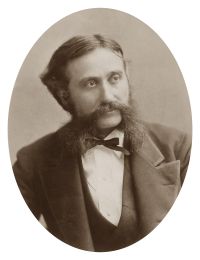
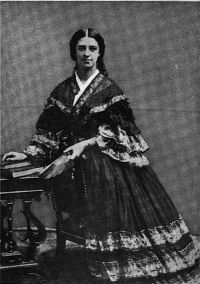
Margaret Duncan Coxhead Romance of History, Mexico (1909)

Surely now, thought Cortés, he had proved himself master, and broken the spirit of the enemy. Requesting a parley, he mounted the roof of the Old Palace with Marina by his side.
"You have seen your gods trampled in the dust, and your warriors falling on all sides," he called to the listening Aztecs. "If you will lay down your arms and return once more to your obedience, I will yet stay my hand. But if you do not, I will make your city a heap of ruins, and leave not a soul alive!"
Source: Wikisource

Get perspective with Kwize: daily news enlightened by great literature