Waterloo Road

Definition and stakes

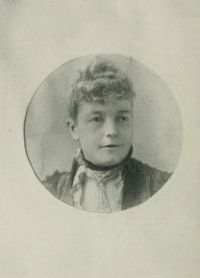
Charlotte A. Eaton,  Waterloo Days: The narrative of an Englishwoman resident at Brussels in June 1815

“ Thus the road between Waterloo and Brussels was one long uninterrupted charnel-house: the smell, the whole way through the forest, was extremely offensive, and in some places scarcely bearable. Deep stagnant pools of red putrid water, mingled with mortal remains, betrayed the spot where the bodies of men and horses had mingled together in death. We passed a large cross on the left side of the road, which had been erected in ancient times to mark the place where one human being had been murdered. How many had now sunk around it in agony, and breathed, unnoticed and unpitied, their dying groans! ”
Source: Gutenberg

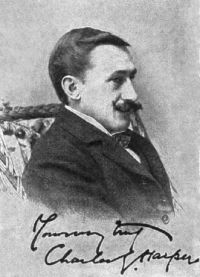
Portrait of Sax Rohmer Sax Rohmer,  The Quest of the Sacred Slipper

“ Just beyond a patch of light cast by a street lamp a scene was being enacted strange enough at any time and in any place, but doubly singular at that hour of the night, or early morning, in a lane off the Waterloo Road.
An old woman, from whose hand a basket of provisions had fallen, was struggling in the grasp of a tall Oriental!
”
Source: Gutenberg

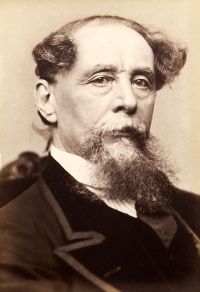
William Siborne,  The Waterloo Campaign, 1815

“ The Field of Waterloo is intersected by two high roads (chaussées) conspicuous by their great width and uniformity, as also by the pavement which runs along the centre of each. These two roads, the eastern one leading from Charleroi and Genappe, and the western from Nivelles, form a junction at the Village of Mont St Jean, whence their continuance, in one main road, is directed upon the capital of Belgium. ”
Source: Gutenberg

Get perspective with Kwize: daily news enlightened by great literature